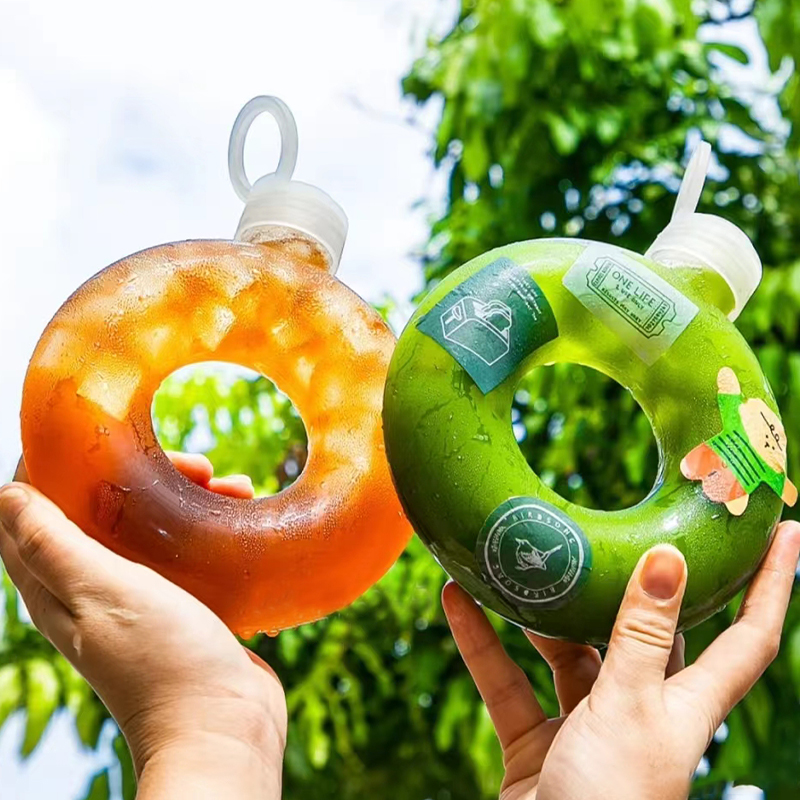
When choosing a plastic bottle for food storage, the first thing to do is check the material identification code. These codes are in a triangle of arrows with a number from 1 to 7. For instance, code 2 (HDPE) is commonly used for milk jugs and detergent bottles. It is also appropriate for storing dry foods like rice or flour because of its good chemical resistance and low permeability. Code 5 (PP) is even better for food contact as it withstands higher temperatures (about 160°C) and does not leach harmful substances as easily, thus it is great for dry and liquid foods like cooking oil or sauce. Lastly, avoid code 3 (PVC) as it can leach plasticizers when in contact with hot food or oil and poses a health risk.
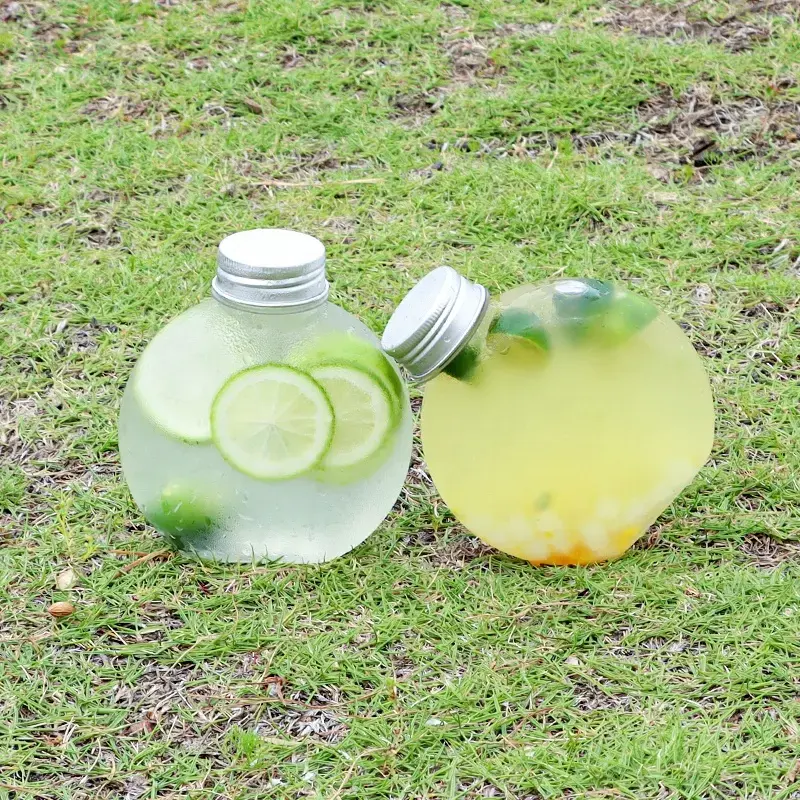
To evaluate how effective a bottle is at sealing, consider how well it prevents moisture from getting in or food from spoiling. Basic testing is achieved by observing if the bottle has a screw cap. A well-designed bottle will create an airtight seal and will allow you to perform more tests. Screw the lid on, and lightly press the filled bottle. If you hear a "suction" sound or if the bottle resists your press as you screw on the cap, this is a good indicator that the seal is effective. Designs with rubber intergaskets and silicone borders increase levels of sealing. Pay attention to designs which offer intergaskets or silicone as they self-adjust to fill any gaps. Positive sealing designs include flip-top lids with snap closures. These designs will increase the comfort of securing liquid foods This will allow liquid foods to be stored under pressure or for safe transportation to reduce the risk of spills.
The bottle’s transparency and thickness influence ease of use, durability, and practicality. Transparent or semi-transparent options help you check how much food you have and how fresh it is without opening the lid, which is convenient. Opaque or tinted water bottles are better for storing spices or cooking oils. These bottles help protect the spices and oils from the sunlight. Thicker bottles are less prone to cracking or deforming from extreme temperature changes and have a greater chance of enduring minor impacts. In contrast, thin bottles can be a food contamination hazard if the plastic cracks and cuts are not easily visible.
Regardless of tank shape, material, or design you use, you must check that the plastic meets the safety standards. These can be regionally determined, as is the case with the FDA in the US, the CE marking in the European Union for food contact materials, or other country national standards. Ensure there is a safety label or certification printed on the bottle stating it conforms to EN or equivalent national standards. This means that the plastic has been tested to ensure that it will not release harmful plasticizing materials, such as BPA or phthalates, into food, even in storage conditions of hot liquids or in contact with acidic food. Do not use unlabeled plastic food containers, especially those that previously stored cleaning materials or industrial chemicals, as they may present harmful food contamination risks.
Considering the particular storage requirements you want to satisfy, you’ll want to get the right size and shape of the plastic bottle. For home use, smaller and medium sized (500 ml to 2 L ) plastic containers can be used to to store spices, sauces, and snack as they are easy to handle and less bulky when refrigerating or storing in the pantry, while larger containers (3 L and above ) can store bulk amounts of rice, pasta and flour. Just ensure that the container has a wide mouth if you want to be able to scoop the contents easily. The shape of the bottle is important as well: you can use narrow necked bottles for liquids to prevent spilling when pouring, and wide necked bottles for dry foods that need to be scooped. Also, consider if the bottles can be stacked as this can help in space, organization and overall aesthetic of the storage area.
 EN
EN