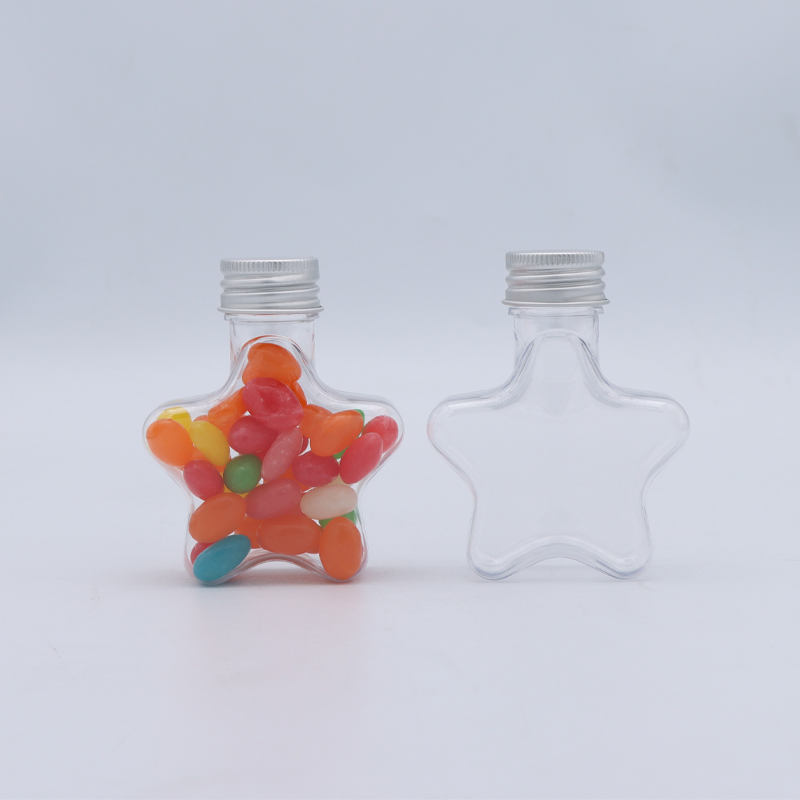
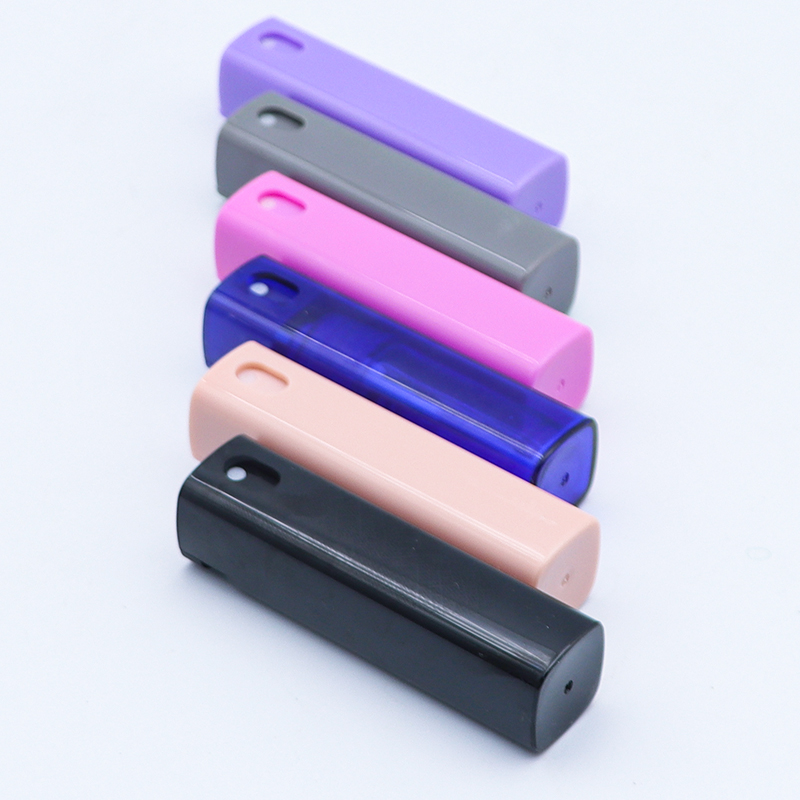
When it comes to safe food storage, food-grade plastic materials, specifically food-grade plastic cans, are offers the best protection. Food-grade plastic cans are produced using three types of materials: polyethylene (PE), polypropylene (PP), and polyethylene terephthalate (PET). Each of these plastic types have different characteristics that make them more or less ideal for specific storage applications. For example, PP plastic can withstand temperatures of up to 110°C, so you can use it to store cooked food and hot liquid ingredients. It is the only food-grade plastic that is microwave safe. When it comes to food storage, PE plastic is the best choice for storing sauces and vinegar because it is highly resistant to both acids and bases, meaning the PE plastic will not be degraded by the vinegar or soy sauce. In terms of food storage applications, you want to use PET when you are storing dry foods like grains, nuts, and similar items because it offers good air tightness and light transmittance. However, PET is not suitable for applications involving repeated usage or high temperatures. Additionally, all high-quality plastic cans are produced using virgin materials (i.e., materials that have not been recycled) so they do not contain the toxic substances that can be present in recycled materials. This is one of the fundamental requirements for ensuring food safety.
The manufacture of plastic food-storage cans must comply with rigid food safety standards of international food contact safety standards. Manufacturers with a good reputation generally obtain SGS and ISO9001 certifications. Their products comply with FDA 21 CFR177, GB 4806.7, and (EU)10/2011. Compliance with these standards results in a significant reduction of plasticizers DEHP and DINP and heavy metals (lead and cadmium) in food grade plastic containers. For example, FDA standards state that DEHP must not migrate in excess of 1.5mg/kg, and that lead must migrate in excess of 0.01mg/L. Moreover, FDA food grade plastic containers must be labeled “food contact use” along with a marking of the material they are made of. These labels are important for the identification of food grade containers in FDA inspections. Finally, in order to demonstrate their food safety standards, plastic food containers must be tested and certified by a competent third party. Only then are the containers allowed to be sold in international markets.
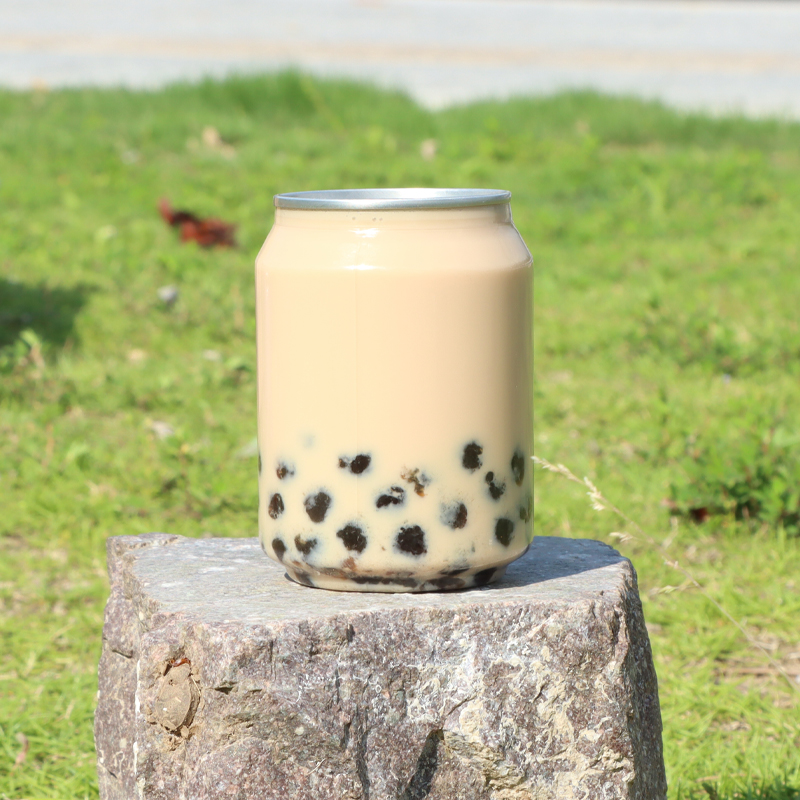
To get the most out of the storage benefits of plastic cans, different food types may require some specific practices. For dry foods, like rice, flour, and other types of grains, the best option are PET plastic cans with good air tightness. It is advisable to place a moisture-proof bag inside the can to extend the dry food shelf life. For liquid foods, like cooking oil and fruit juice, PE plastic cans with anti-leakage screw caps are recommended. These should be stored in cool, dark places to prevent oil from oxidizing and juice from deteriorating due to exposure to light. For pickle and fruit preserves, food-grade cans of PP plastics should be used. It is also critical that such storage be limited to no more than three months because of the potential, even with acid-resistant plastics, for minimal material migration over time in acidic situations. In practice, a good number of food merchants use customized plastic cans with sealed gaskets for small pack storage of snacks. This practice not only promotes enhanced freshness of the served food but also enhances the perceived value of the product.
The food industry offers plastic containers many prospects regarding commercial value. Advanced technology and customization options are favorable for cost-effective mass branding. Professional manufacturers facilitate all-in-one purchasing. These include LOGO printing, design of shapes, and tailoring of exclusive specifications. These options aid food businesses in establishing and developing a unique brand identity and visual identity. Small and medium-sized food businesses can benefit from low minimum order quantities to meet small batch production requirements. Additionally, rapid delivery of popular products is made possible by maintaining adequate stock. When compared to glass containers, plastic containers are lightweight and less breakable, which helps to reduce transport costs. Delivery time to any location in the world is just 7 to 15 days when partnered with international logistics companies. Additionally, professional customs clearance documents are provided to reduce the risk of imports at the borders for cross-border food merchants. Plastic containers provide the best value in terms of cost, quality, and service tailored to the food industry. The commercial packaging experience is enhanced by the assigned customer manager.
When looking after plastic containers to continue the responsibility of safe food storage and care, simple daily tasks can upgrade the life span of these containers. While plastic containers can be cleaned, the use of hard metal wire cleaning pads is discouraged, as scratching them during cleaning does provide an environment for the encasement walls to be coated by food remnants and the growth of bacterial organisms. Cleaning containers with soft brushes and neutral cleaning detergents is the preferred method, as well as ensuring the containers are properly and fully air dried before sealing them to store food, as containers that are sealed without adequate air drying are at an increased risk of growing mold. When they are empty, plastic containers should be properly and fully air dried before sealing them to store food, as containers that are sealed without adequate air drying are at an increased risk of growing mold. Food containers should not be used to cross contaminate flavors, for example, plastic containers that store condiments should not store dry food without first thoroughly cleaning the container. Food containers should be replaced every 1 to 2 years to prevent containers from becoming damaged as well as prevent the migration of damaging and harmful substances from becoming damaged as well as prevent the migration of damaging and harmful substances.
Storage safety for food and plastic containers begins from somewhere, and common mistakes can be avoided easily. Reusable PET beverage bottled are not suitable for food storage containers. Using this locker for food storage is a long time, while repeated use of this locker leads to the release of a type of chemical _ antimony, that is, under certain conditions, contact with food can release this chemical, especially in contact with food that is acidic, uh also also the the plastic locker is used in a high temperature environment (such as in warmers, microwaves, or dishwashers). In terms of food storage, containers with unknown logos or damaged logos are not suitable. Storage containers with known and unknown logos that do not have a reasonable seal are not suitable for food storage, and damaged containers will lose this seal and allow food to spoil. Many customers have avoided food safety problems in actual production and sales in the packaging industry, and these problems have been accumulated in the actual service cases.
 EN
EN