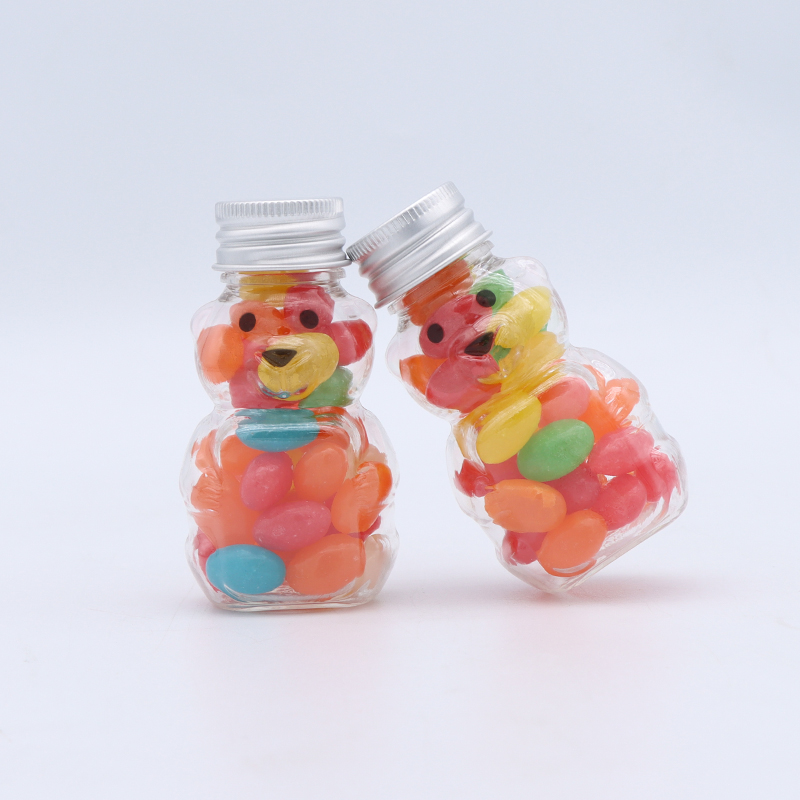
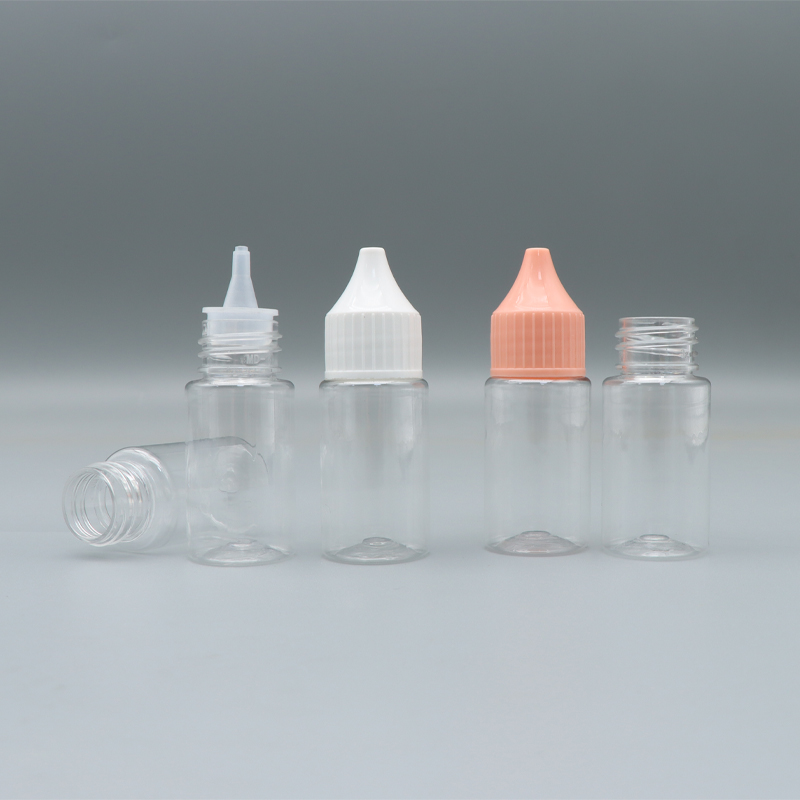
Professionals in material science say that the chemical properties of PET (polyethylene terephthalate) material are stable and the material is not toxic and does not change when stored at temperature and humidity conditions of below 40 degrees celcius and humidity of 40 to 60 percent. It is necessary to avoid direct sunlight and high temperatures because at temperatures above 70 degrees celcius, PET bottles will soften and deform. Additionally, even food-grade and medical-grade bottles that comply with pharmaceutical packaging standards will lose their structural integrity. The simplest solution is to have a closed and ventilated warehouse with shading devices on the outer walls and the ventilation turned on to avoid the predominance of stagnant air. For areas with high ambient humidity, dehumidifiers are used to avoid condensation on the surface of the bottles, which causes labels to peel off, and to avoid the secondary contamination of the bottle.
Effective storage of bulk PET bottles indicates that the type of pallet and the stacking density have a direct impact on the bottles’ integrity. Empty food-grade PET bottles and PET bottles with cosmetic spray may be stacked a maximum of 3 layers high on firm and flat plastic pallets. Higher layers may cause extrusion deformation of the base. Stacking of filled PET bottles should be reduced by 1 layer and soft anti-collision pads should be placed on contact surfaces. Stretch film should be used to fix the pallet as a whole and the neck of the bottle should remain within the limits of the pallet to avoid damage during transit. For bulk storage, the most ideal pallets are standard pallets sized 1.2 × 1.0m, as they are suitable for most logistics handling devices and minimize the risk of bottle damage during secondary handling.
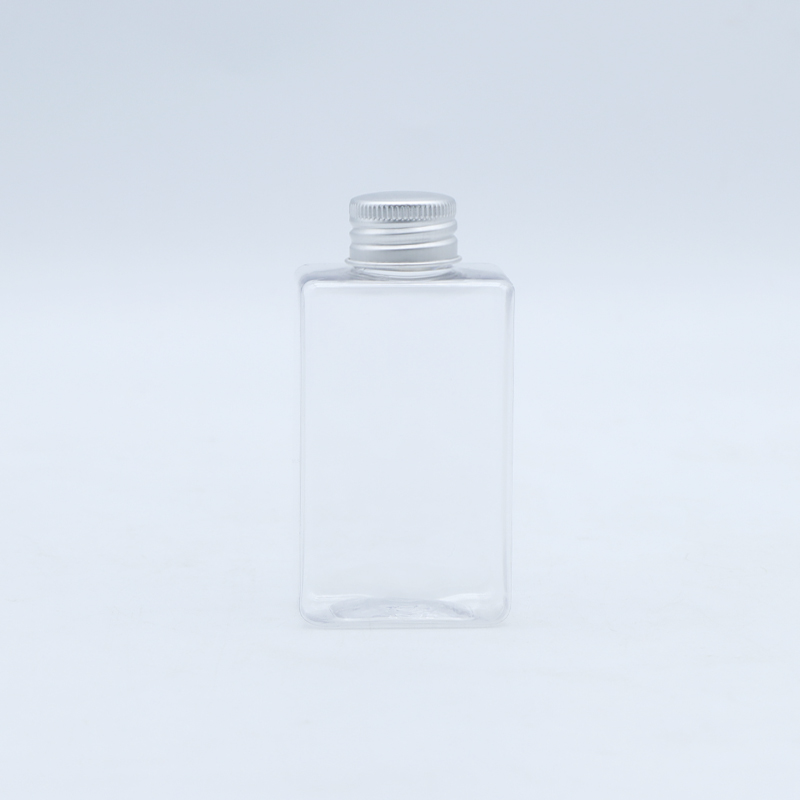
Classification based on the application scenarios is very common for PU bottles due to the varied storage requirements.
Food-grade PET bottles intended for juices and milk teas must be stored separately from other items. The area they are stored is lined with anti-slip and anti-moisture pavement. Food-grade PET bottles are stored in a separated called a cubicle which is over 2 meters from other chemical and pesticide labeled bottles to prevent any cross contamination. Medical-grade PET bottles with child-proof caps should be stored in a locking cabinet. For storage of the cabinet, there is a single internal shelf to reduce the risk of the child-proof seal becoming dislodged. A cosmetic logo spray bottle with a logo should be stored with foam padding to minimize movement of the bottles. For custom logo items to prevent scraping of the logo, they should be individually packed. Such storage enables efficient order picking or sorting in the warehouse.
PET bottle wholesale and bulk storage require strict batch control and quality inspections. Each batch of wholesale PET bottles should be labeled with purchase date, product specifications, and applicable categories, and stored by batch in clearly zoned areas in the warehouse. Inspections should take place every three days and should include checks for deformed bottle bodies, intact seals, and complete labeling. For PET bottles that have been stored for over one month, random sampling should be done to test the bottle body for tightness and structural integrity. For example, with 60ml spray PET bottles, the sampling rate for a batch should be at least 1%, and defective products should be removed and isolated to prevent them from contaminating the production and usage streams. This method of standardization can significantly ensure quality and consistency of the product by reducing the rate of defective PET bottles during storage.
Compliance storage, along with cost savings, offers a way to ensure quality preservation of bulk stored PET bottles through scientific storage. In conjunction with the operational health and safety management system, the warehouse must comply with fire safety requirements for safe plastic storage. For example, The warehouse should have safety signage and fire extinguishing equipment, as well as storage zones that are free from open flames and hot equipment. Also, plastic PET bottles should be arranged based on their sales and usage frequency to enhance picking efficiency, so that fast-moving varieties are located closest to the warehouse entrance and exit. Industry data suggests that optimally spaced scientific storage and classification of bulk PET bottles damages less than 1% of bottles and wastes less than 1% of storage costs. Also, international storage standards of packaging materials can reduce potential delays due to customs clearance during the cross-border supply chain of wholesale PET bottles.
Wholesale and long-term, cross-border storage of PET bottles needs special considerations. Along with the basic environmental considerations and stacking limits, packaging in dry areas uses anti-static film to reduce static dust attraction to the bottle surface which impacts looks and function. Cross-border, long-term storage and transportation in areas of high temperature and high humidity require the use of moisture absorbent packets in the sealed packaging of PET bottles, as well as, temperature and humidity control in the storage area to create a constant environment. Partnering with international transportation and storage companies in order to get real-time updates during storage and transportation will allow for the adjustment of protective measures to the environment. End result, the bulk PET bottles will arrive, undamaged, at the destination warehouse.

 EN
EN