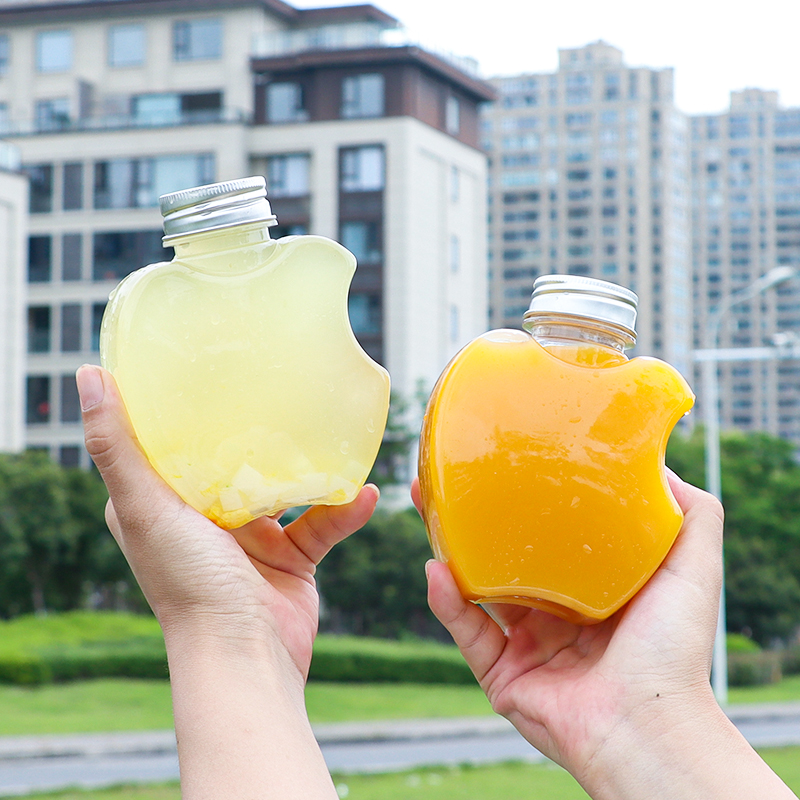
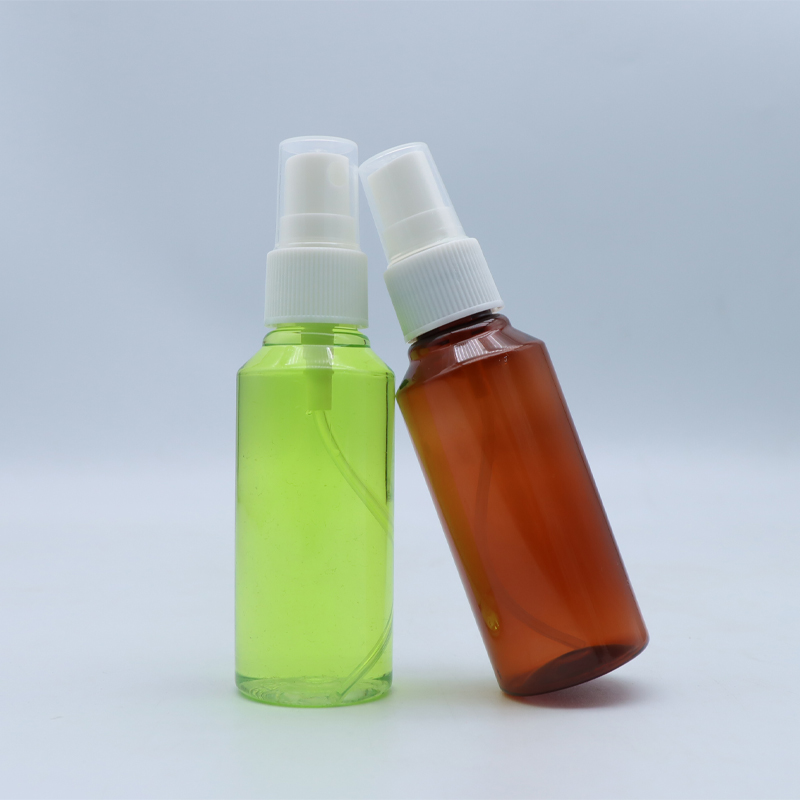
PET (polyethylene terephthalate) has gained wide acceptance in the beverage industry for its great safety. PET is classified as a food grade material, with global recognition for safety compliance with food contact regulation standards. Unlike many other food grade plastics, PET is free from hazardous leachable chemicals, even at extreme hot or cold exposure.
In practical use, safety is important both for the consumer and the brand. Beverage manufacturers use PET to package a wide range of drinks, from fruit juices to carbonated beverages, without compromising taste. PET has also been used to package beverages that are safely consumable by children and elderly adults, making it a valuable food grade packaging material. PET’s safety is more than just advertising, and is a result of extensive industry quality control testing and certifications from the SGS and ISO 9001 suppliers.
One of PET's best technical properties is barrier effectiveness. O₂ and CO₂, among other gases, are blocked from entering and escaping the container. It is extremely important for the freshness and carbonation in beverages to maintain these gases. Exposing the product to oxygen leads to oxidation, removing flavor, nutrition, and increasing the risk of stale product. Removing oxygen from the equation offers a longer shelf life.
Retaining CO₂ is vital for the quality of carbonated products, and PET offers that. PET is also strong enough to withstand the pressure of carbonation so it will not leak or deform, ensuring a fizz with every sip to the very last one. External contamination like dust and moisture are also blocked aiding in the guarantee of product quality. This is hugely important with beverages that are shipped in a variety of climates and stored for long periods of time. Brands that use PET can consistently deliver product quality so it increases customer loyalty and satisfaction.
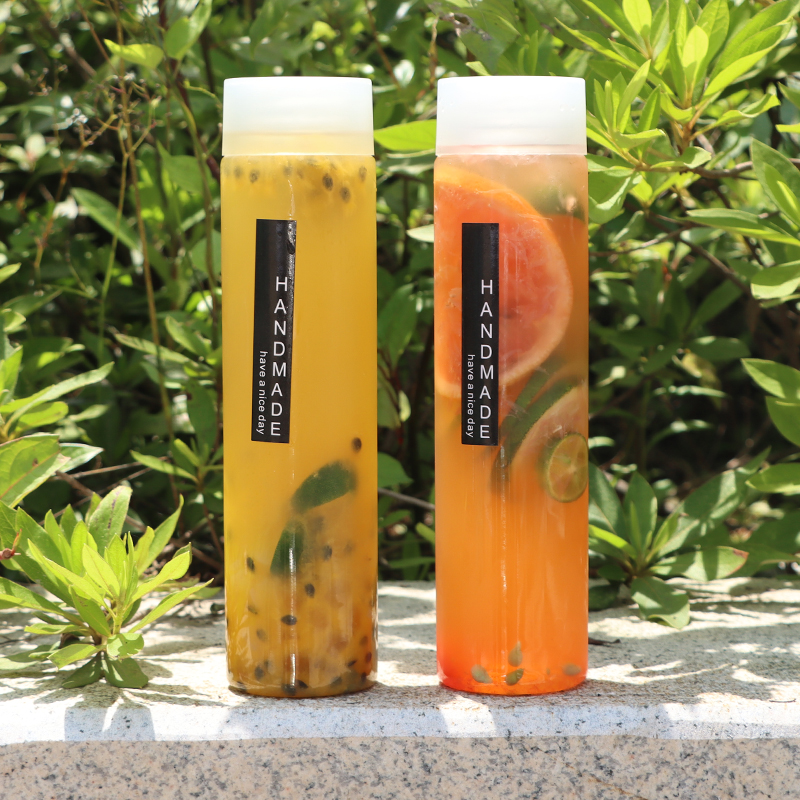
Not only is PET lightweight, but it is also easy to handle, transport, and carry beverage bottles made from it. For manufacturers and consumers, PET is a better option than glass or metal containers because it decreases shipping costs, carbon emissions, and costs. For consumers, lightweight bottles are convenient to carry in bags, backpacks, or during outdoor activities.
PET is also incredibly durable. It is impact and shatter resistant which lowers the risk of breakage during any stage of the supply chain. It also lowers the risk of breakage to make it safer. It is also a better option than glass bottles because of the reduced risk of product loss and safety hazards. PET is also very versatile for packaging and is great for all sizes, whether it is a small single-serve bottle that you take to the gym or a large family-sized jug of iced tea for a picnic, PET is an excellent and practical choice.
Designed flexibility of PET allows its users to manufacture bottles in different designs, sizes, and styles to suit different preferences of brands and consumers. For brands, having different designs means creating an identity that stands out from the competitors on the retail shelves.
Some brands value having different designs, while others choose easy-to-hold containers. PET is advantageous as its molecular structure allows for different designs and shapes; even clear and see-through designs for fruits, juices, teas, and other beverages are obtainable. New logos, labels, and designs can be added more easily than other plastics. This simplifies and streamlines branding enhancements, allowing the message to be more readily altered or updated. PET can be easy to adapt even to more simplified branding. PET caters to different market expectations and evolves with consumer needs.
Today, every business, large or small, has to be environmentally conscious, and consumers care about that, too. Since PET is recyclable, and production of new bottles from rPET (recycled PET) bottles removes the need to create new virgin plastic and reduces the creation of plastic waste, this type of plastic is the one environmentally conscious consumers should choose to purchase. Industry leaders and other packaging manufacturers are using rPET to lessen their environmental impact and economically support their recycling program as rPET costs less than new virgin plastics.
In addition, of all packaging plastics, PET bottles are the most environmentally conscious due to their carbon footprint. Compared to glass and metal, the production of PET plastic bottles is less energy-consuming and generates fewer greenhouse effects and gases. Furthermore, as the transportation of the bottles is less due to their lightweight, less emissions are produced, improving their environmental and economic sustainability. Brands using PET bottles prove that using sustainable packaging, they're improving their environmental impact and economic sustainability. Hence, the growing recycling capability will allow PET bottles to be an environmentally sustainable packaging option to use, limiting negative impacts to be an eco conscious and economically sustainable option to choose.
PET provides great value from a business standpoint because raw materials for manufacturing PET products are affordable and easy to source, leading to cost effective mass manufacturing. PET also provides positive lightweight and sturdy characteristics, leading to less expenses for transportation and product damage. There are also less expenses to be paid for storage. Fuel and logistics costs are decreased because more products can be included in one shipment if the products are more lightweight. Additionally, the sturdy characteristics of PET leads to less product damage during transportation and storage. In turn, this leads to less losses and costs.
Also, the Design Flexibility of PET provides indirect benefits due to more efficient and less wasteful production processes. Streamlined production processes occur because there are fewer expensive production line modifications needed for the mass production of bottles of different shapes and sizes. In competitive beverage markets, the cost effective nature of PET packaging provides more important benefits for manufactures because of supporting competitive pricing and enhanced funding of product development and marketing. In more competitive markets, the cost effective nature of PET packaging also supports more long term business accomplishments and increased market share.
 EN
EN