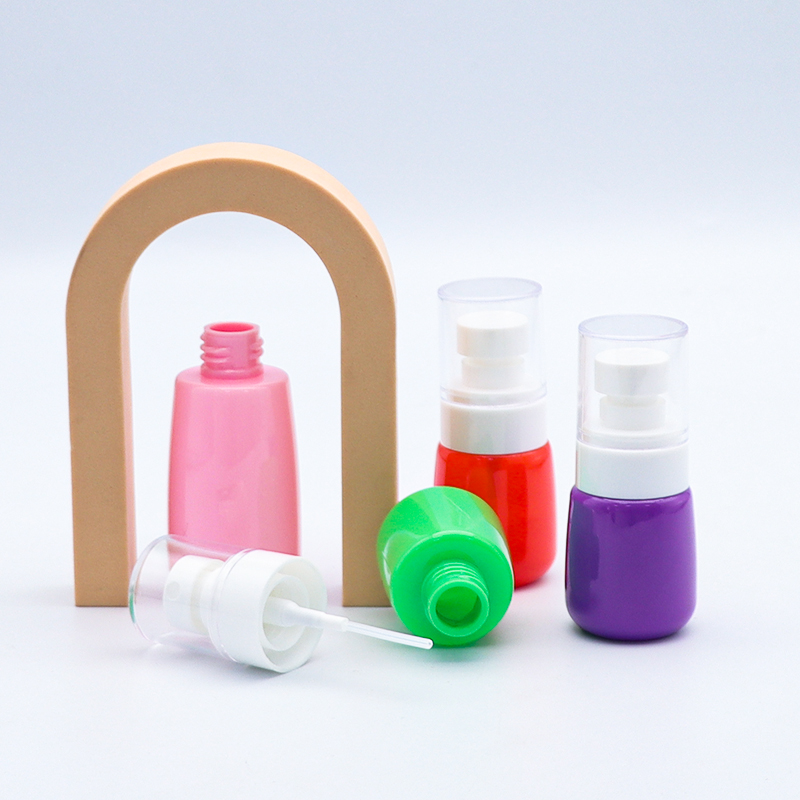
At first glance, spray bottle pumps may seem simple, but there is a lot of thought that goes into the creation of each individual component to ensure even, effortless dispersal of the liquid inside a bottle. While components can and do vary, a spray system is likely to contain a dip tube, piston, spring, nozzle, and valve. Each component has a separate function. The dip tube, for instance, is responsible for drawing fluid from the bottle. As for the piston, he/she controls the liquid’s suction and discharge. The spring resets himself for repeated actions, while the nozzle is responsible for the spray pattern and intensity.
Different spray pump materials have different properties, and this affects how they need to be maintained. For example, plastic pumps have polyethylene terephthalate (PET) or polypropylene (PP) and are lightweight and corrosion resistant. Some premium pumps may even have components made of glass which improve a systems chemical stability. Knowing the materials of the pump is great for determining which cleaning agents and maintenance activities will cause the least harm to the pump.
The most common problem with spray pumps is clogging. Dried residues, impurities, or leftover liquids can cause this. To fix this problem, we can consider the steps below. After each use, spray clean water a few times to flush out any leftover liquids. If you use your spray pump with a lotion or oil that is thick, you may need to clean your pump more thoroughly.
Cleaning pumps this way is effective, especially if the pumps have been used to dispense cosmetic or pharmaceutical products. Cleaning pump tops this way is effective, especially if the pumps have been used to dispense cosmetic or pharmaceutical products. To clean your pump more thoroughly, try this method: if you can, disassemble the pump top. Soak the top in warm water with a little bit of a mild dish soap for ten to fifteen minutes. Be careful not to use any abrasive cleaning products or strong chemicals. After your pump has been soaking, rinse everything with clean water. Allow the parts to fully dry, then reassemble your spray pump. This method is very effective for keeping spray pumps fully functional.
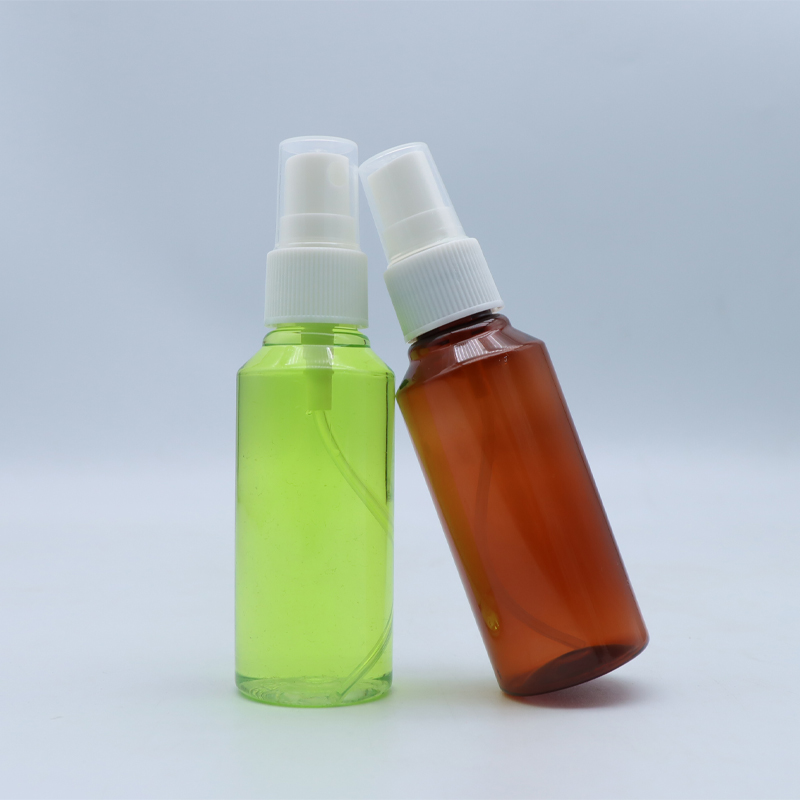
The storage conditions where the longevity of the spray bottle is stored play an important part in how long the spray bottle will last. When the bottle is not in use, always make sure the pump is tightly closed to make sure that dust, dirt, or moisture does not get into the spray pump. Store the bottle in an area that is cool, dry, away from sunlight, and not extreme in temperature. Excess temperatures can warp to white plastic crenelations to where there is an outer cap of the pump, while too many low temperatures can affect the foam and flexibility of the seals.
For transport and travel, it is recommended to use a protective cap if provided, or to remove the pump head and wrap it separately. This is because it prevents the pump from getting activated and damaged due to the movement of the pump. Heavy objects should not be placed above the pump, because this can make the spring be fewer in rest strokes, and alter the way it resets.
Gentle handling is important to maintain functionality of the spray pump. Do not use excessive force when pressing the pump as this puts strain on the piston and spring. When pressing the pump, do so in a steady and fluid manner to achieve even dispensement of liquid and to mitigate the effects of wear and tear. If the pump becomes stiff and does not spray, do not force it. Instead, check to ensure there is no clogg, or misalignment before using it again.
It is also important to not fill the bottle to the brim. Leaving some space at the top allows proper pressure to build, which makes it easier to use the pump. If the bottle is filled to the top, it can lead to Leakage and even damage to the internal components of the pump by submersing them in liquid for a long period of time.Spotting and Fixing Common Problems
Regardless of upkeep, there are some common problems that spray pumps encounter. If a spray pump is not spraying, check if there is a dip tube, and if not, check if there is a dip tube attached, because a dip tube that is not attached, is kinked, or is not reaching the liquid will not draw liquid. If a spray pump is primed and is not spraying liquid, that is often because there is air stuck in the pump, and in that case, the user should pump the handle several times.
Worn or damaged seals often cause the pump head to leak. If a spray pump is missing, or having issues with a pump head, and the seal is not repairable, or the head is not repairable, then that is a reasonable pump that can be in a medical or food packaging industry. Inspections for leaks must be done for repairable pumps to make sure sanitation is the primary focus.
There are some specialized spray pumps that are designated for certain uses, i.e. for pharmaceuticals or certain industrial chemicals. Pumps for certain uses or specialized pumps often have certain maintenance requirements. There are several manufacturer guidelines that are present to instruct the consumer that do exist to declare exclusion policies to pumps that are corrosive chemicals. Those guidelines exist to ensure that the pump will not lose its seal.
Experienced packing solutions manufacturers create tailored maintenance advice about their products’ design and materials. Mode pumps are best for avoiding costly mistakes and for keeping in line with industry standards for safety and quality. When incorporating pumps into products that are tightly regulated in their industry, like pharmaceuticals and cosmetics, this becomes vital. Ensuring optimum functionality for pumps becomes even more important.

 EN
EN