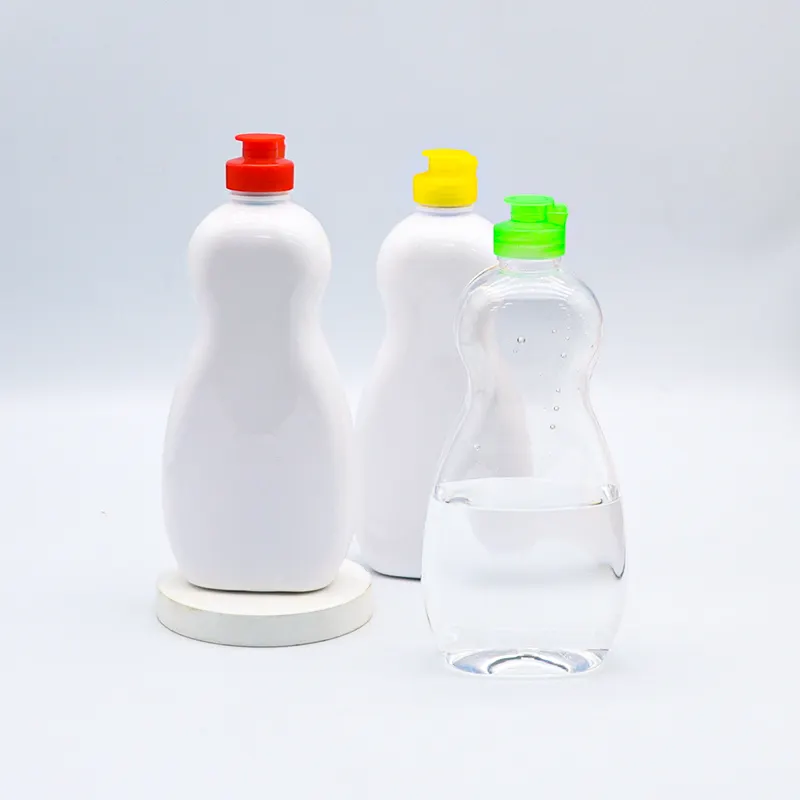
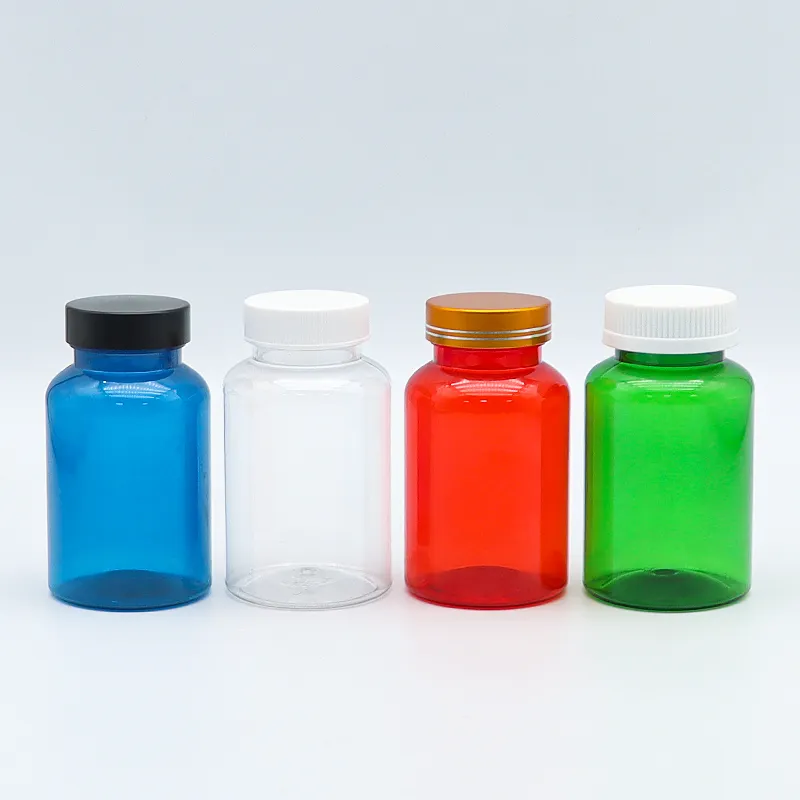
Liquid skincare products include toners, essences, lotions, and serums. Each type of liquid skincare product has its own unique characteristics. Some liquid products, like toners, are thin and runny, while essence lotions are thick and creamy. The characteristics of the product will influence the type of packaging used. For example, thin liquids will need packaging that will prevent leakage, while thick liquids will need containers that are easy to dispense completely. Most liquid skincare products also contain active ingredients that are sensitive to heat, light, or air. Therefore, packaging should include protective attributes to maintain the effectiveness of the active ingredients.
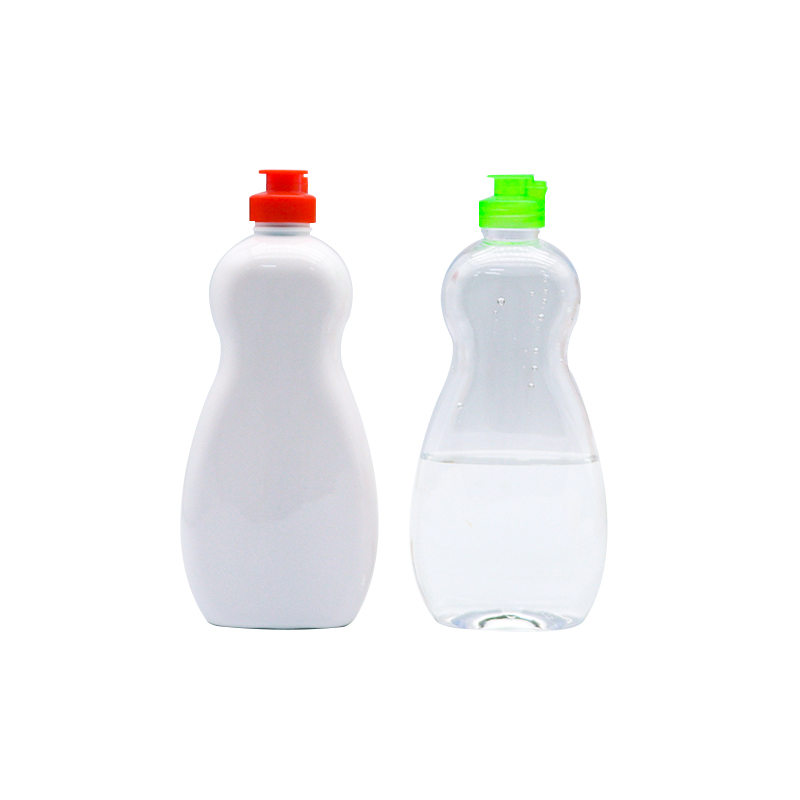
Regarding packaging materials, considerations beyond just materials such as plastic, glass, aluminum and PET, must be addressed. For instance, if a product must be carried around frequently, lightweight and unbreakable packaging made of plastic is appropriate. For active high-end glass products with unbreakable and stability attributes, high-end glass packaging works well because glass does not leach harmful materials. For effective oxygen and light block during storage, aluminum will unproductively work as a container for acid and alkaline liquids; therefore, an interaction test must be performed. PET packaging, which is light and almost unbreakable, durable, and recyclable, an necessary for mid-range target liquid skincare packaging.
If you select liquid skincare in badly sealed packaging, such products are at risk of being contaminated by air, dust, or microorganisms. Products with volatile ingredients such as certain plant extracts may also become unusable by poorly sealed packaging. In deciding on a container, consider the structure of the closing mechanism, such as whether the bottle top includes a silicone gasket, whether the pump head has a tight seal after being pressed, or whether the tube opening and cap fit. Long-lasting products should utilize a design with a one-way valve or an air pump. These designs limit air entry into the container with each use, preserving the product inside for a longer period.
Easy to use packaging will help contribute to a positive experience for the user. For serums and essences that require a precise dosage, pump-type containers are good because they allow for convenient control of the dispensed amount. For lotions used in daily skincare routines, containers with flip-top caps are better, because they can be opened with one hand. The size and shape of the container also matter. Small-capacity containers, like 10ml or 15ml, are perfect for travel while large-capacity ones, like 100ml or 200ml, are more suitable for home use. The shape should be comfortable to hold. Smooth edges and proper weight are important, because they help the user maintain control of the container, preventing slips and spills.
Nowadays, more customers are considering using eco - friendly packaging when buying cosmetics. As you select packaging materials, consider the use of recyclable, biodegradable, and reusable materials. For instance, glass and aluminum containers can be infinitely recycled. Certain biodegradable plastic containers can be used and tossed without harming the environment, as the plastic will breakdown naturally. Reusable packs, like refillable containers are great. They allow the user to refill the product instead of discarding the container, thus, eliminating packaging waste. Furthermore, environmental protection can be improved by using simple packaging designs (like getting rid of excess outer boxes, plastic wraps, and fillers), as long as it is still sufficient.
Packaging containers play a key role in shaping a brand's identity. It must fit the brand’s positioning—luxury brands might opt for ornate glass or metal containers to convey opulence, whereas economical brands are likely to choose lightweight and affordable plastics. The design elements of the container, such as color, pattern, and texture, must appeal to the intended audience. For instance, younger buyers might be drawn to bold, trendy designs, whereas more mature buyers tend to appreciate understated and refined aesthetics. The packaging must observe the necessary regulations to avoid legal complications in the intended market.

 EN
EN