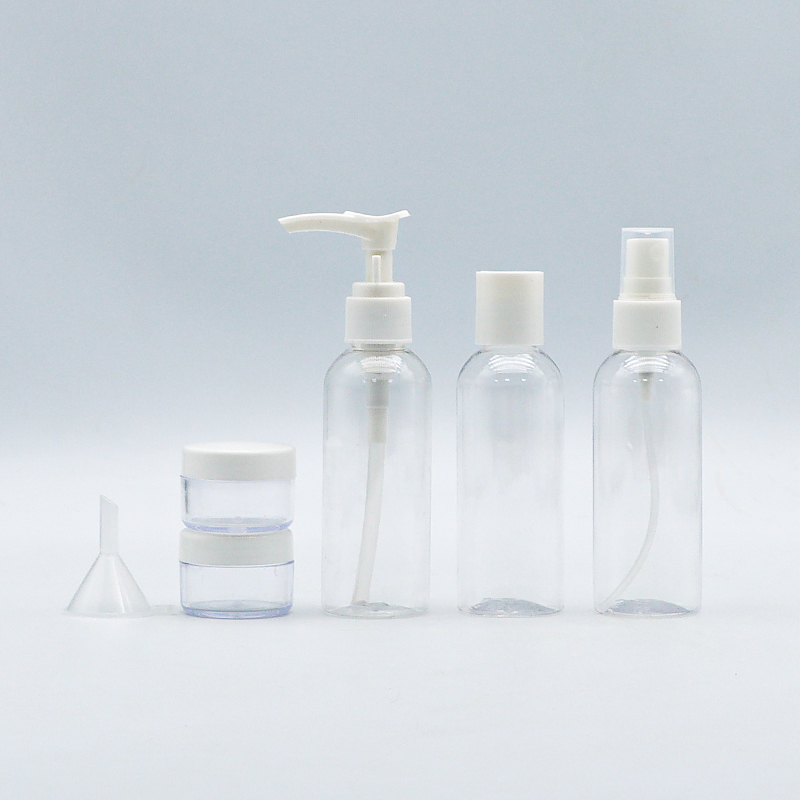
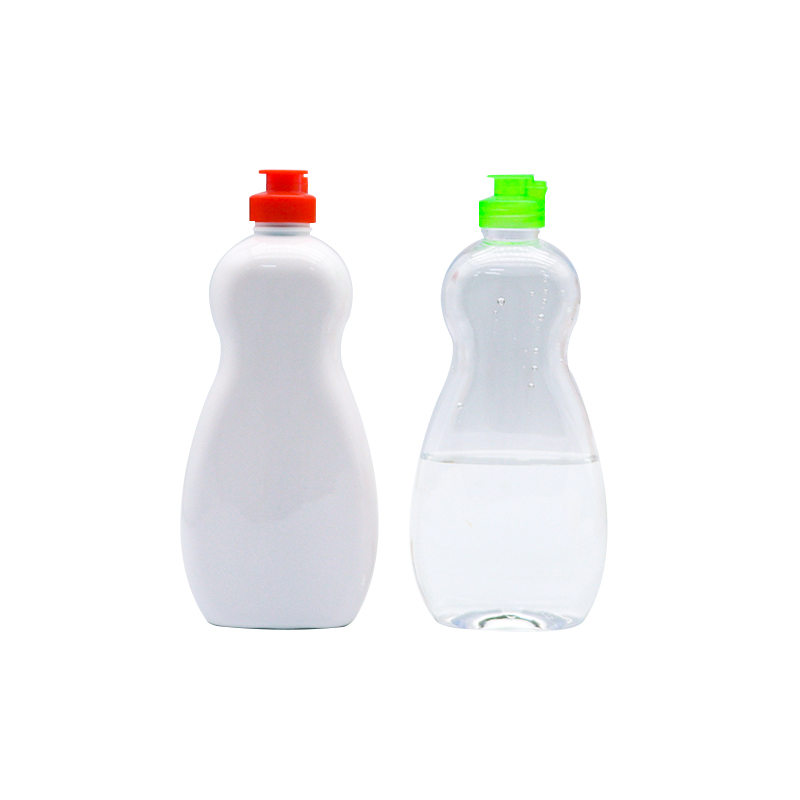
Certificates show how capable a supplier is in managing quality. Trustworthy suppliers of wholesale PET bottles should have ISO 9001 quality management system certification and SGS quality system certification. These certificates show a supplier has a strong producers to specs during raw material selection and production processes, and during product inspections. Also, with a certificate on occupational health and safety, a supplier has a health management certificate. That means the supplier’s products are high-quality and produced in a safe compliant environment. When you evaluate suppliers, always ask for their certificates and verify them.
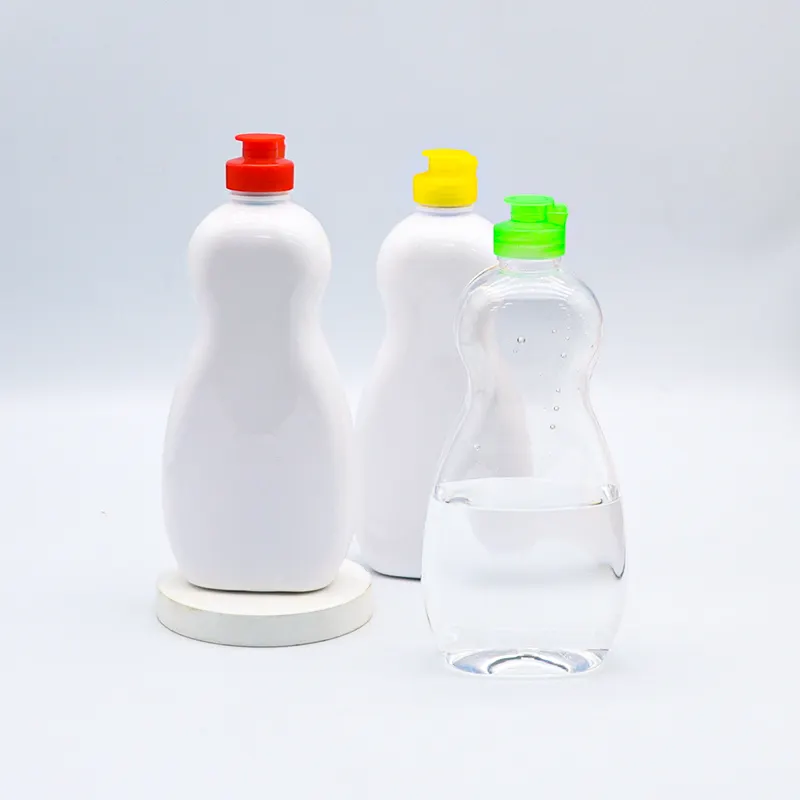
The first step in assessing the quality of PET bottles is the raw materials. Quality suppliers use newly made and food grade or pharmaceutical grade PET materials. PET materials are safe for a range of applications including beverages, and cosmetics, or pharmaceuticals. While sourcing raw materials, ask where they come from in addition to checking samples, which should be scrutinized for clarity and attributes like thickness uniformity and stability. Quality suppliers do multiple quality inspections, and their inspections span from production to packaging to ensure that every bottle is free from defects like cracks, burrs, or uneven walls. If you have specialized needs, for example, child-proof caps for pharmaceutical bottles or leak-proof designs for spray bottles, make sure the supplier’s products fulfill the required criteria.
Every business has unique branding and product specifications which is why so many businesses request individualized PET bottle solutions. All good wholesale suppliers should provide logo printing and allow customers to request bottle shapes and sizes. It is also important to make sure the supplier is flexible with MOQ policies. Suppliers ideal for smaller businesses and those exploring new products will have low MOQs. Lower MOQs reduce upfront costs and inventory risks so it is an important aspect to consider. It is also recommended to verify that the supplier has an adequate professional team to assist with your customization requests and provide the appropriate follow-up to any concerns that may arise during the design and production stages.
Logistics and after-sales support enable an efficient and effective partnership. Opt for suppliers that work with well-known international shipping companies such as DHL and FedEx. This allows for tracking and visibility of shipments that arrive within a reasonable timeframe of 7-15 days. Also, determine if the supplier assists with customs clearance and provides all required documentation such as commercial invoices and packing lists. This helps limit the risks associated with importing. Reliable suppliers will be responsive after the sale and work to remedy any issues with the delivery or quality of the product. In these cases, customer reviews and testimonials are immensely helpful.
Suppliers with plenty of experience in the packaging industry are likely to have well developed production processes and supply chains as well as mature insights about market demands. When they have a history of working with your industry, whether that be food and beverage, cosmetics, or pharmaceuticals, it’s a good sign. You can get a feel for a supplier’s reputation through customer reviews, industry scoring, and direct referrals. The reputation of a supplier wagering on good supply chain integrity, on time contract performance, and cooperative win-win outcomes with partnership access means they will likely have contract performance consistency. Disregard suppliers with history of unresponsive support, delayed response, and customer quality cycle as it will influence your supply chains to be poor.
 EN
EN