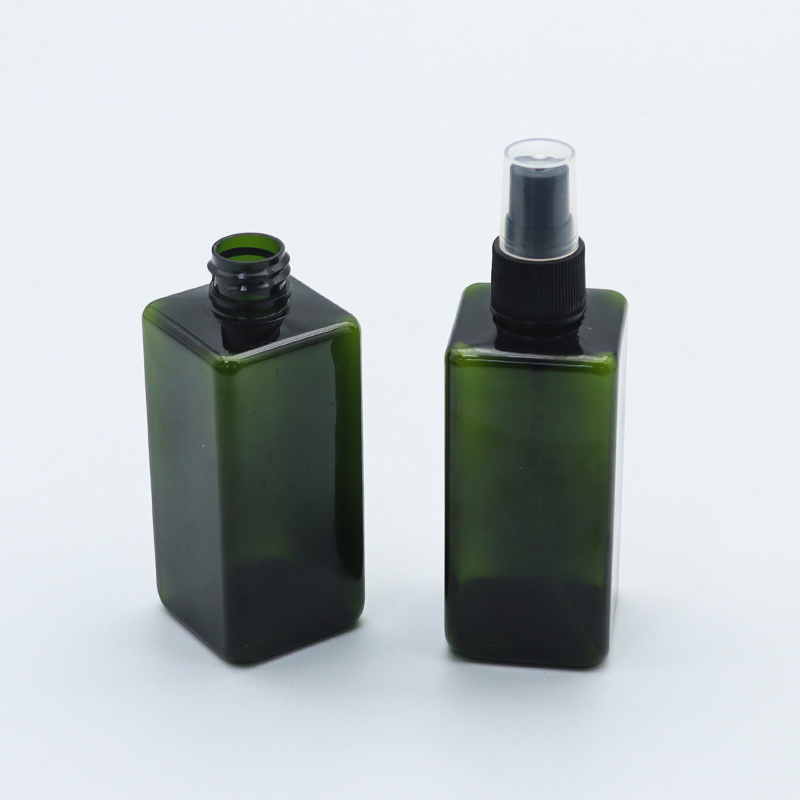
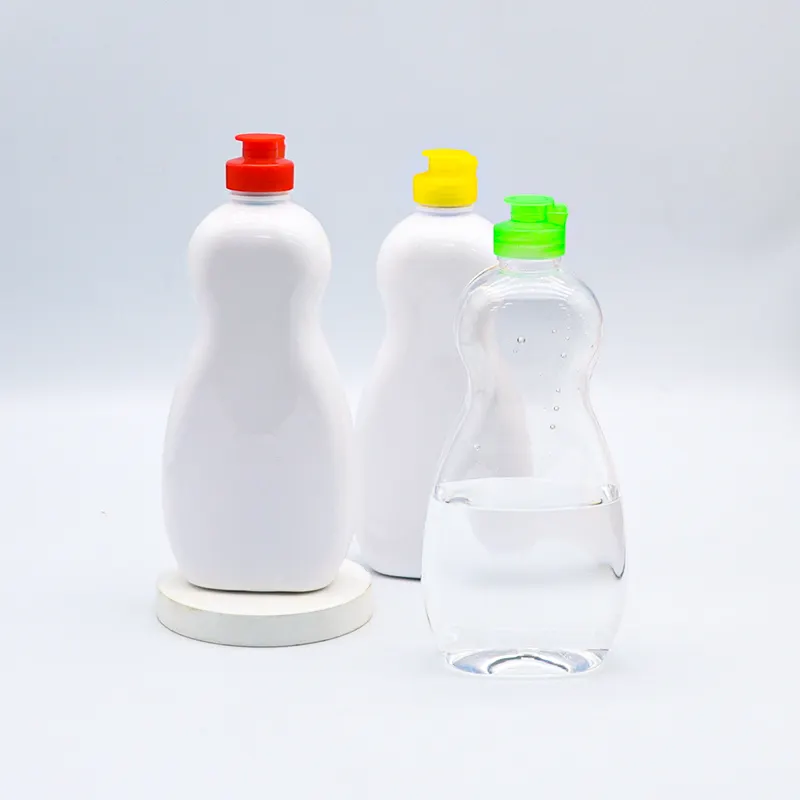
Cosmetics contain active ingredients, which can include vitamins, antioxidants, and peptides, and which can become ineffective if not properly maintained. As an example, air-tight packaging is essential for oil based serums and essences because they can become oxidized and ineffective when air is exposed to them. Products packaged in pump or vacuum sealed containers minimize contact with air, which slows down oxidation and helps preserve the product for longer.
With water susceptible toners and lotions, the primary concern is packaging to prevent microbial contamination. Good sealing and water non-reactive materials as packaging is essential to prevent fluid to be water spoiled. For the toner and lotion packaged in PET containers which is food safe and non-reactive to water ensured that the formulation would be effective to the user and protected from microbial contamination.
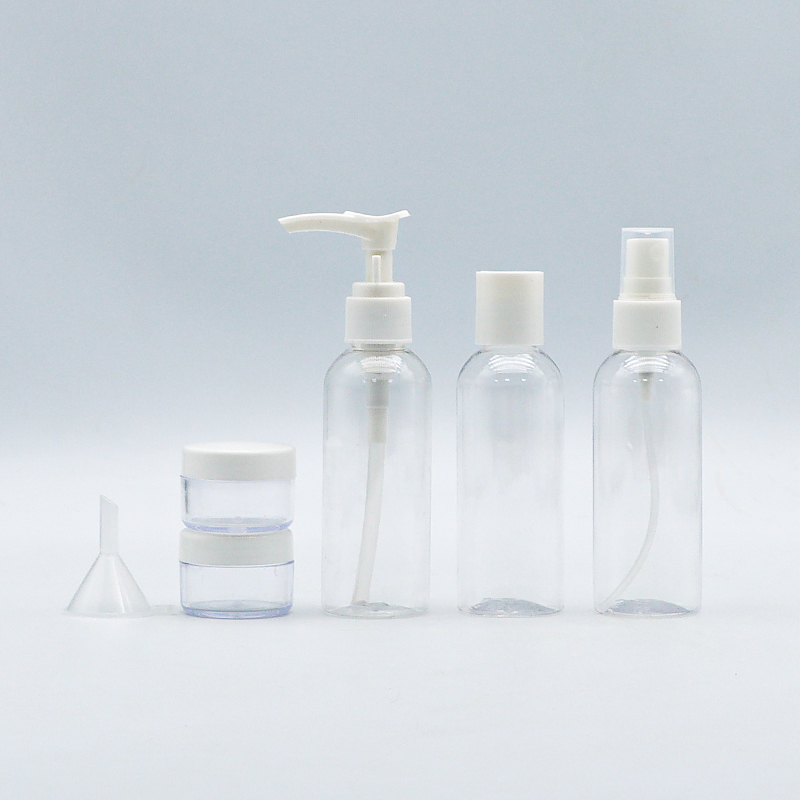
Cosmetic products come in different textures, which range from thin liquids to thick creams and everything in between. Each texture has its own tailored packaging. Thin products, like facial mists and setting sprays, require spray bottles with fine nozzles to provide an even distribution. The design of the nozzle determines the size of the mist particles, which impacts the overall experience and absorption of the product.
Thicker products, such as moisturizing creams and body butters, are more suited to jars or squeeze tubes. Jars provide easy access to the product, but squeeze tubes reduce waste and keep the remaining product hygienic. The finish packaging choice works to ensure ease of use, as products intended for use on the go adopt portable, leak-proof designs that fit in purses or travel bags without spilling.
All harmful cosmetic packaging must adhere to packaging safety standards to minimize skin irritation or damage. Products such as foundations and concealers that are packaged in direct contact with the skin are required to use non-toxic and hypoallergenic materials. Borderline harmful plastic materials that have not been certified safe are to be avoided as they can leach harmful materials and affect the health of the skin.
Packaging for items that are designed for use near the eyes or lips have added safety features to avoid accidental ingestion by young children and to provide proof that the item has not been previously used. Smooth non-slip edges and non-slip surfaces are designed to provide safety and durability for use and to minimize accidental spills or breakage.
Packaging design is the first point of visual contact and impression of the brand and is the first opportunity to capture the attention of potential consumers. Different categories of cosmetics and different types of packaging will resonate and appeal to different audiences and consumers. Premium quality cosmetics packaging will resonate with consumers of more expensive products and will expect the packaging to have weight, be more ornate, and be glass. Daily use consumer products would have lightweight, colorful packaging to capture the attention of younger consumers.
User experience is also important and less frustrating features with ergonomic design, packaging that is simply and clearly labeled, easy dispensing, and features that allow for one-handed operation all improve the experience. Travel-sized products that are easy to port help meet the on-the-go needs of customers who travel by allowing them to bring their favorite cosmetics. The environmentally conscious consumers are targeted when packaging is easy to recycle, and the brand strengthens their image of social responsibility.
Each area of the world allows and requires different environmental, safety, and labeling features of the packaging of products. Different regions of the world have different features related to sustainability and eco-friendliness of packaging materials. In some countries, the packaging must include recyclable or biodegradable materials.
The packaging for products intended for medical use or highly active ingredients must meet the pharmaceutical requirements. For these types of products, the packaging must be sterile and must be sealed in a way that prevents contamination and protects the product. Adhering to these standards builds consumer trust and demonstrates the brand's commitment to quality and safety.

 EN
EN