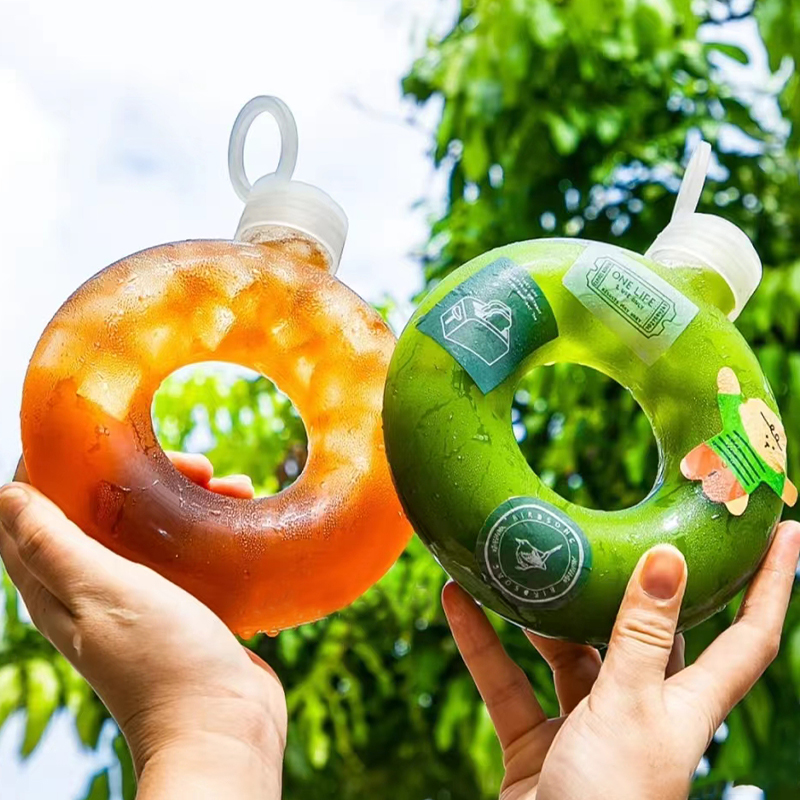
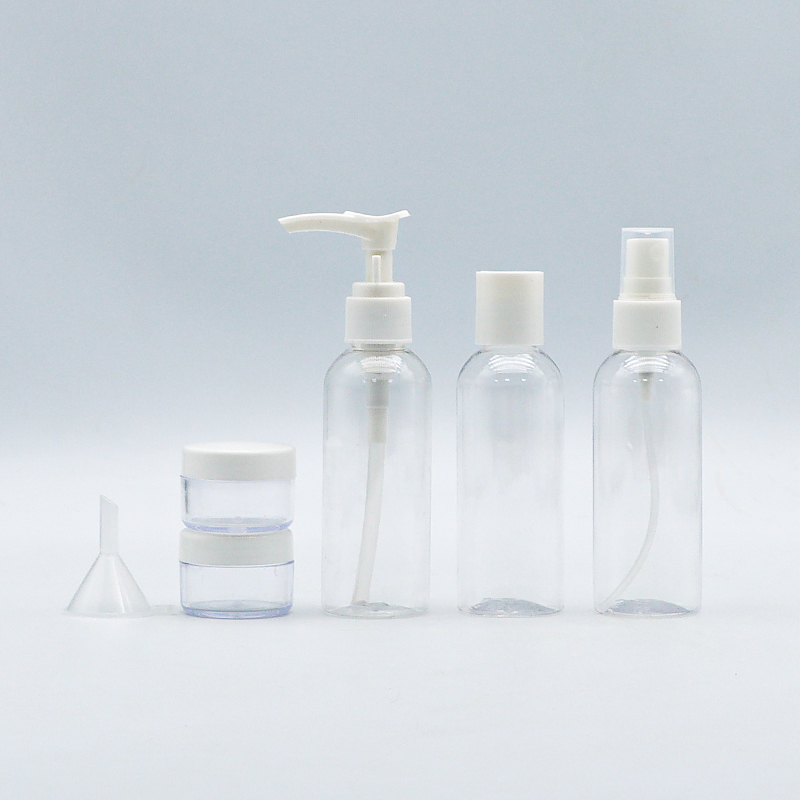
To stop fragrance from evaporating the packaging must be airtight. Creating an airtight seal begins with the right choice of materials. For perfume bottles, food-grade PET and borosilicate glass are both excellent options. PET is strong and provides an airtight seal that prevents perfumes from evaporating and mingling with air. Because it is chemically stable, borosilicate glass will not react with the perfume and, due to its dense structure, will prevent vapor loss. Stay away from low-quality plastic which can have micro-pores and gradually dry out perfume through evaporation.
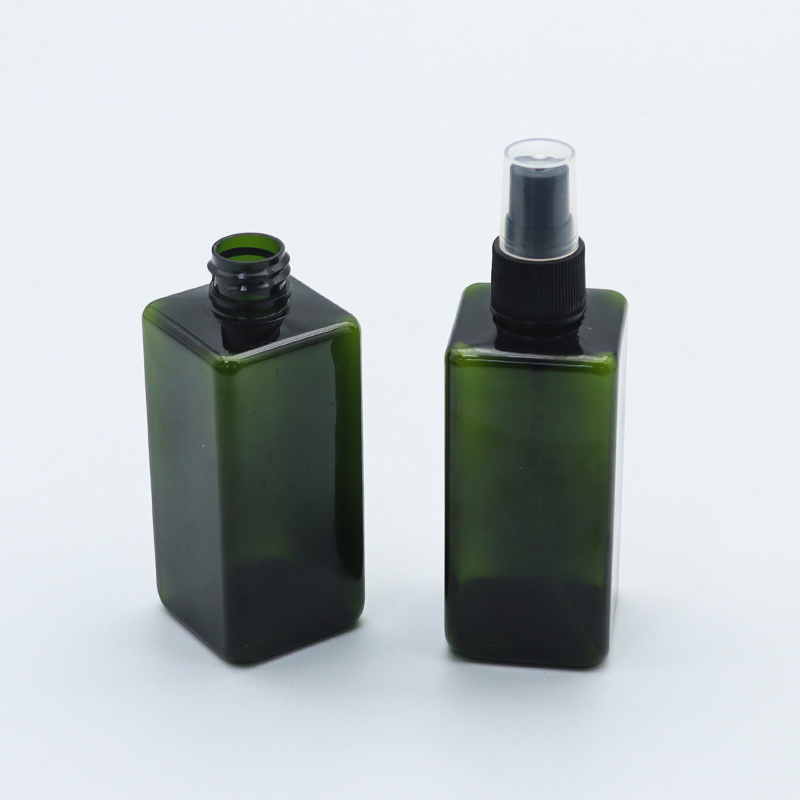
When it comes to stopping evaporation, secure closures are just as important as bottle material. Screw caps are reliable options, especially child-proof ones, as they tightly seal when fastened. For spray perfume bottles, opt for designs with anti-clogging, filter ports, and replaceable tubes. These features not only help with smooth spraying but also seal the bottle better. Gravity sensor lids are also innovative, as they automatically seal the bottle when not in use, which helps to prevent the fragrance escaping. Closures should be designed and manufactured to fit with the bottle neck; even small gaps diminish the sealing effect.
Design and shape of a perfume bottle can also help keep the fragrance and perfume from evaporating. Compact and streamlined designs have little exposed surface area and help minimize evaporation from the surrounding atmosphere. Square and round bottles are also easier to close than irregular shapes and are more portable. Furthermore, thick bottles provide good insulation and a stable environment by reducing the effects of external temperature variations and the volatile nature of fragrances. Complex designs with sharp edges and intricate shapes are counterproductive to sealing and should be avoided.
In perfume packaging, customization for attraction and aesthetics should incorporate sealing capabilities to avoid compromising the closure later. Custom logo application should be made with sealing and closure integrity in mind. Collaborate with suppliers to design integrated packaging that streamlines the sealing process. Adding a silicone gasket in the cap is an example of customization that can enhance airtight sealing by a wide margin. Customization is the intersection of strong functional performance and a rich brand expression.
Choose a good supplier to get perfume packaging that doesn’t lose its scent. Check to see if the supplier has quality certifications. Quality certifications demonstrate that a supplier has followed the appropriate production standards. Scent-preserving packaging is a high priority production concern and is a sign that the supplier uses new raw materials. Suppliers conduct airtight quality control at every stage of production and packaging. Supportable suppliers understand the volatility of perfume ingredients and help design packaging that will work well with your perfume formula.

 EN
EN