Customized logos help make plastic bottles unique and memorable, especially in the fields of cosmetics, pharmaceuticals, and beverages. Properly applying a logo enhances brand recognition and preserves the quality and look of the product. To help you achieve quality logo application on plastic bottles, I have provided a step-by-step guide.
Different methods of logo application work on different plastic materials. Common materials include PET, PP, PE, and PVC. Each material has unique properties. For instance, PET bottles, which are used for cosmetics and beverages, have a smooth surface suitable for screen printing and hot stamping. As for the flexible PP and PE materials, you need to choose inks or adhesives specifically designed for these plastics to avoid peeling. PVC bottles are used for certain cosmetics and household products, but they contain printing techniques that can damage the material. Knowing the material of your bottles is the first step to successful logo application.
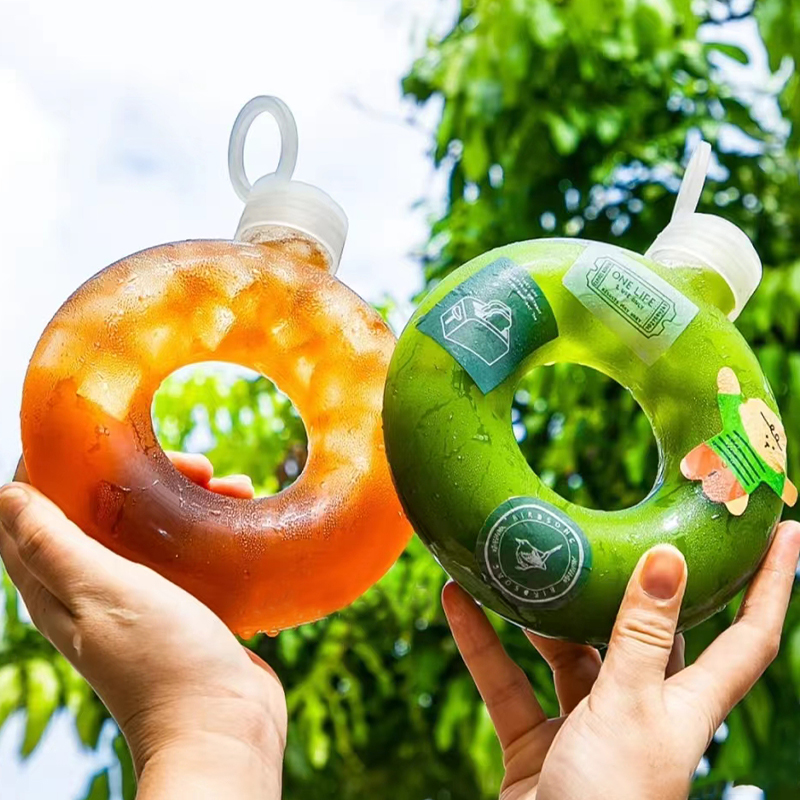
There are multiple options for putting logos on plastic bottles, each varying based on their uses. Although it is meant for simple designs, large quantity orders, and vibrant colors, screen printing is also great for long-lasting results. Most plastic surfaces can also use it. If you want to apply for a metallic finish, hot stamping is a great method to use for high end products like pharmaceuticals and perfumes. Digital printing, meant for small quantity orders and complex designs provides great flexibility and fast results. For best results, consider the design complexity, quantity, and overall cost.
Clean and remove any surface contaminants to prepare for logo application and to ensure it sticks properly. Eliminate any dust, oil, and residues on the plastic bottle. Smudge the surface with a mild cleaning solution and a soft microfiber cloth, and let it dry. Sometimes, light sanding helps with surface adhesion, but do not overdo it to the point that you make scratches on the surface. Logos tend to fade and peel if the surface is not cleaned and moisture is present.
When designing a logo, keep the shape and purpose of the plastic bottle in mind. A logo needs to remain legible and identifiable, even when reduced in size, like for 10ml perfume containers. Stay away from intricate designs with very small details, as these will become indistinguishable during application. A bottle’s curvature needs to be considered. Logos for round or irregularly shaped bottles may need slight adjustments to keep proportionality. Finally, pick contrasting colors, as well as complementary colors, to ensure the logo is easily readable, but is not obnoxious.
You will want to maintain Control and Quality Standards in order to maintain professionalism with your logo. Make sure to complete logo application tests on sample bottles before moving to full-scale productions. Look for and fix any issues of smudging, adhesion, and even ink distribution. Make sure industry standards are being met on the logo, as well as the bottles. Inspections need to be done during and after production to ensure there are no defects and that the customized logo on every bottle meets your standards.
To keep the logo looking its best, take care of it after it is applied. Make sure to let the logo dry or cure for enough time, which will depend on the application method used. Freshly printed bottles should not be exposed to extreme heat, moisture, or chemicals until the logo has fully set. For bottles to be used with liquids, make sure the logo is applied on an area that will not touch the contents directly, unless the adhesive or ink is food-safe or pharmaceutical-grade.
 EN
EN