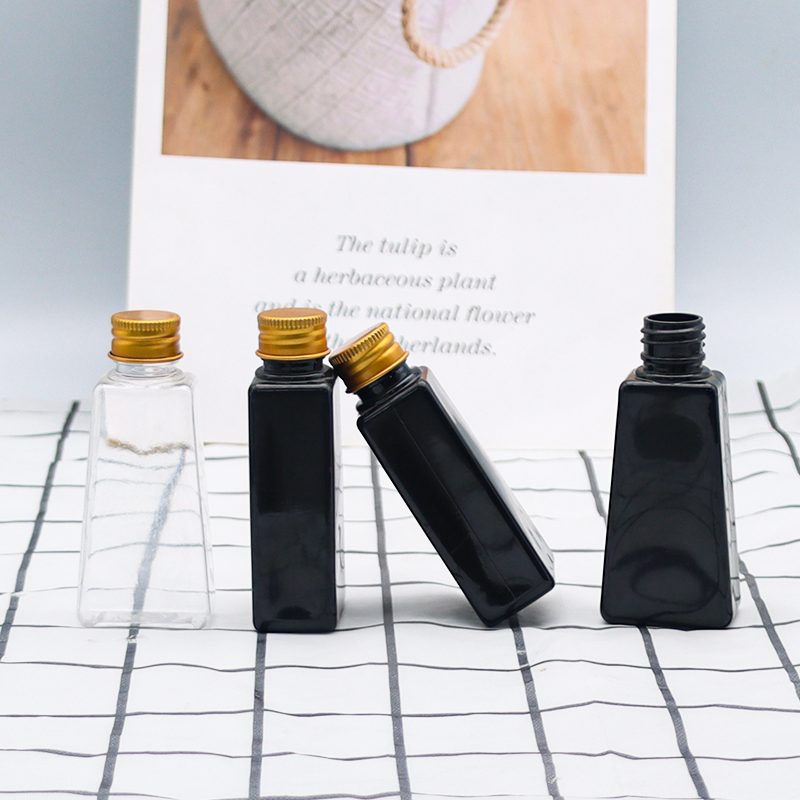
From decades of experience in the packaging industry, the primary technique for keeping plastic cans sealed and fresh for long periods of time is configuring the right material combination for the seal. Each of the varying plastic types, PE, PP, PET, and PVC, has remarkably different thermal and physical properties and therefore yields differing performance in seal integrity and seal quality. Food-grade plastic cans are required to meet GB 4806.7-2023, which includes guidelines for the safety of plastic in contact with food and the migration of harmful substances. PET is considered the best plastic for cans for beverages and juices, as she offers the best barrier to oxygen and moisture. Meanwhile, PP (polypropylene) is preferred for hot filling products as she is more heat resistant. Sealing materials should be chosen appropriately to avoid negative sealing effects which result in a shorter shelf-life for the product. Professional packaging manufacturers, certified with the ISO9001 quality management system, conduct material compatibility checks as part of their preproduction testing to ensure the seal meets the product's fresh-keeping needs.
There are three most common sealing techniques used for plastic containers, suited for different types of products and varying needs of freshness, all having been proven in numerous production scenarios. The most common technique used for seamless plastic containers is heat sealing, which melts the seal of the container body and lid to a temperature range of 120 ̊C to 150 ̊C, and then the two surfaces are pressed together. The most important aspect in heat sealing is controlling the right temperature and time of application; a temperature that is too low will cause a poor seal, and a temperature that is too high will burn the plastic and weaken the seal. Gasket screw cap sealing is common in the pharmaceutical and food industry, where food grade silicone or PE gaskets are used to seal the space between the cap and the container neck and form a complete seal. For child-resistant pharmaceutical containers, the screw cap design is complemented by a pressure seal to ensure safety and freshness of the contents. Snap-on seals with sealing rings are a great fit for containers that require repeated opening and closing. The sealing mechanism provides a good balance between sealing and ease of use.
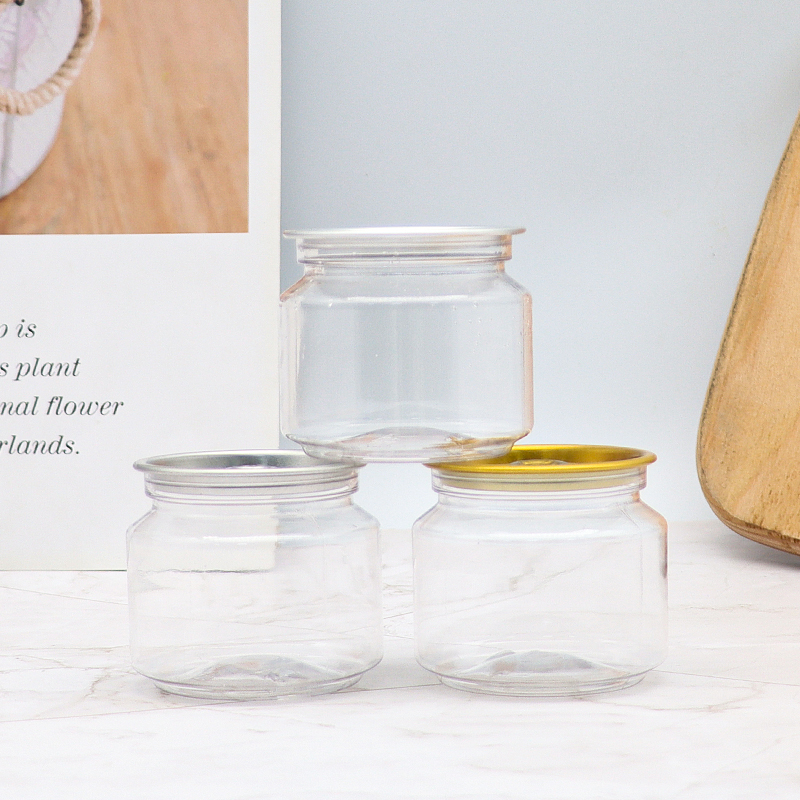
Keeping seals effective is more than just a process in place, as quality inspections guarantee that each can stream meet fresh keeping requirements. Using the air leakage test, quality inspectors utilize a method where a sealed can is pressurized in a body of water, and a release of bubbles is considered a defect in sealing which requires rework. In addition, a vacuum leak test is required for food and pharmaceutical cans to simulate long-term storage and test for gradual air leakage. In process, it is a standard to conduct a sampling inspection once every two hours in a working cycle where any unqualified sets are fully reviewed. One practical suggestion is to clean the sealing surface. Oil, dust, or food residues can significantly reduce the seal adhesion and pose a risk for air leaks. This can improve sealing defect rates by over 95%.
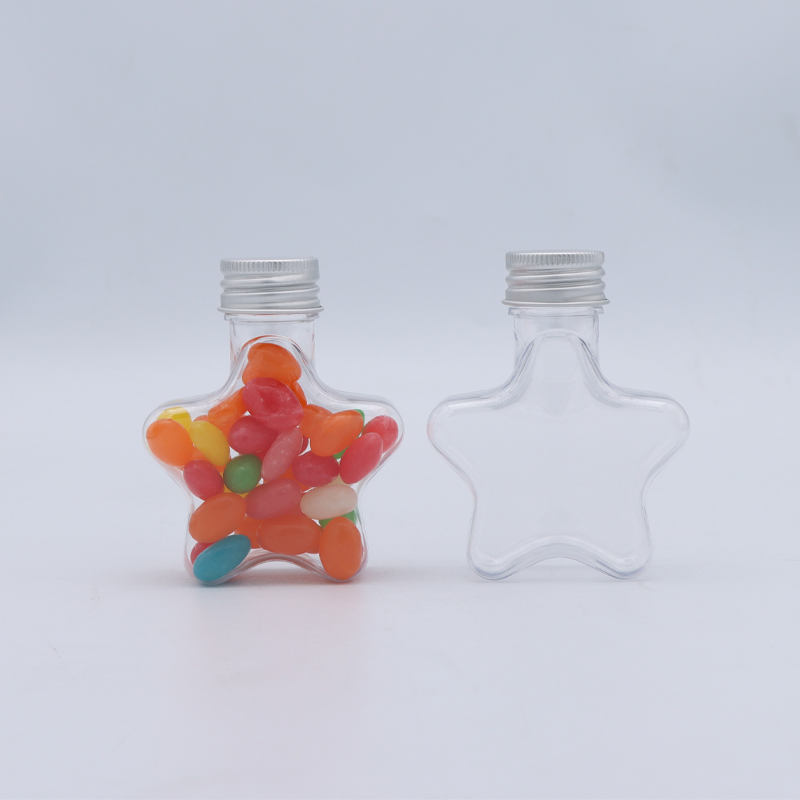
Small production runs and custom orders are a standard occurrence in the packaging industry. Focusing on optimizing sealing operations for these scenarios can improve fresh-keeping effects for packaging without additional costs. For low Minimum Order Quantity (MOQ) orders, the use of pre made sealing molds for standard can sizes allows you to ensure sealing accuracy and reduces the cost of making a new mold. For custom shaped cans, such as PET food cans shaped like stars or hearts, edge trimming to ensure that the sealing surface is even will improve sealing, as uneven edges are a common cause for sealing failure. The final tip is to select the appropriate cycle time, that is, for thin wall plastic cans, a slower, more controlled, uniform press is preferable to avoid the walls of the can bulging during the sealing process. Finally, to prolong the fresh-keeping period of the product, sealed plastic cans should be stored in cool, dry conditions to delay aging of the seals, which can occur during high temperature and high humidity conditions.
Sealing devices add value to consumers and businesses by providing sealing technology that maintains freshness. A customer in the beverage segment was able to reduce product spoilage, and thus waste cost, by over 7% after implementing the customer sealing technology to his PET juice cans. Cross border e-commerce customers complain of alternating issues from clients regarding product spoilage. Reliable, effective sealing technology adds logistical value by controlling product freshness over 7 to 15 days. Quality sealing technology also aids in penetration of many international markets for the Pharma and cosmetics sectors. Sealing adds value to the consumer by improving the utilisation of product and enhances the brand image, thereby increasing repeat purchases.
While sealing the can is the most important factor for the can’s ability to keep contents fresh, there are additional means of extending the fresh-keeping effects of the can. An example is using an inert gas such as nitrogen to fill the can prior to sealing. This displaces the air within the can, reducing oxidation of the product, and therefore, extends the fresh-keeping period for snacks and dried food. Regarding liquid products, such as juice and milk tea, using advanced high barrier plastic cans that utilize multi-layer co-extrusion and professional sealing to block light and oxygen is effective. Printing the production and expiration dates on the can also encourages consumers to use the product in a timely manner. This also aids businesses in inventory management. Customized packaging solutions, including material and sealing options, and additional fresh-keeping methods, are provided by packaging manufacturers to help businesses optimize their product's fresh-keeping performance.

 EN
EN