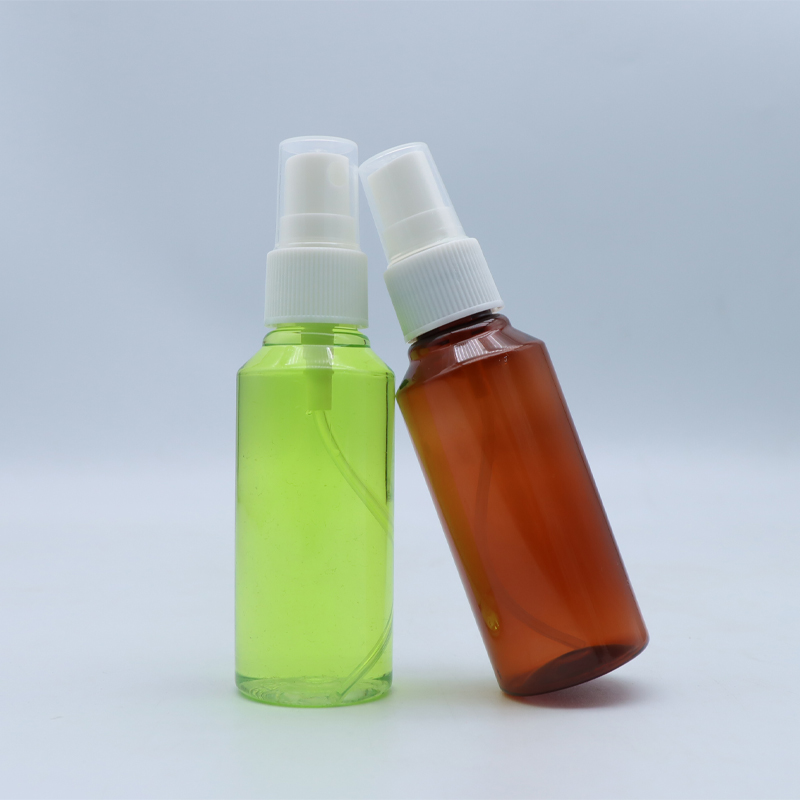
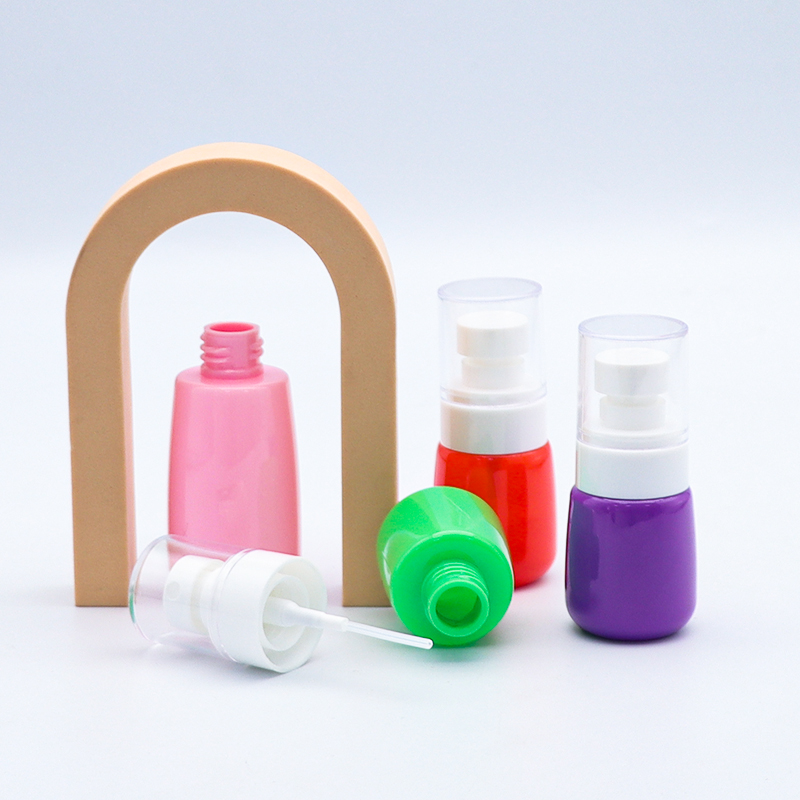
Like any other product, plastic bottles are made using a range of different materials. Each of these materials have different levels of performance and safety, and are characterized by different chemical and physical properties. . Choosing a material for a bottle is particularly important when designing a product. For example, if some one was designing a bottle for an alcoholic beverage, they would have to choose a different material if they were wanting to later use the bottle for a pharmaceutical product, a bottle for a daily used product or even a cosmetic container. Knowing the materials that are available for use is important because it helps leverage the bottle to suit the required packaging needs for some specific application. Different materials lend better outcomes for different needs, thus a deeper understanding about the available options helps tailor the bottles for the packaging requirement.
PE, or polyethylene, is known for its flexibility, resistance to impact, and chemical inactivity with most substances, making it excellent for producing plastic bottles. Additionally, PE bottles can seal and contain liquid without leaking, and are used in practical manufacturing to package agricultural chemicals, detergents, and beverages.
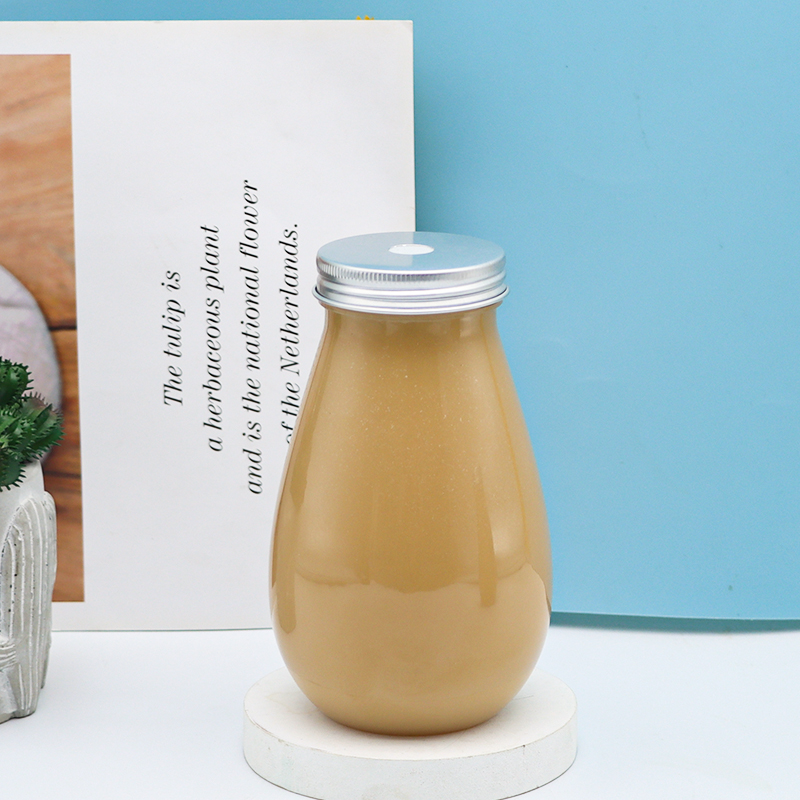
Polypropylene, or PP, has many advantages when being considered for the packaging of products. For starters, PP has a high melting point. Because of this, products packaged in PP are able to endure higher temperatures than other packaging, such as PE. This makes PP excellent for packaging products that are packaged while hot, such as fruit juices and tea. Additionally, PP is highly durable. It does not deform easily during transportation, and can also be used to package pharmaceutical products as PP is non-toxic and safe for food contact. PP is often used for jars, juice cups, and as previously mentioned, pharmaceutical packaging. Another advantageous trait of PP is that PP can be manufactured in many different and complex designs.
PET (Polyethylene Terephthalate) is a crystal clear and transparent material with great high barrier properties. Crystal clear PET bottles can effectively show and sell the internal products, which is why it is popular for cosmetics and beverages. 250ml star and 300ml heart shaped PET bottles, which are food grade, are very popular for packaging drinks and juices, due to their attractive value and safety. PET also has great oxygen/moisture barrier properties to extend shelf-life. Dead weight is also very good. It is also recyclable, and it fits the environmental sustainability concept. It is also very used for pharmacy packaging. 150ml round pill and capsule bottles are very used for pharmacy packaging, because the PET packaging is very safe and it matches the high‐quality standards of pharmacy packaging.
PS or polystyrene is often used for packaging of small quantities of products like samples of food and cosmetics. Polystyrene is used in packaging materials because of the good clarity, rigidity and easy shape-ability of the materials. But, in comparison to some other plastics, the brittleness and poor impact resistance of polystyrene can make it an unsuitable packaging material for products that are heavy or that can be easily jostled. Polyvinyl chloride(PVC) is a flexible, transparent and relatively inexpensive plastic. Many packaging products that are used for the everyday household chemicals are made of PVC like in the spray bottles for the cleaners. Enough care must be taken to PVC packaging materials that are to be used to make sure that it is designed, engineered, manufactured, and tested to comply with safety regulations and industry standards.
In order to select the best plastic bottle material, one must balance a variety of factors. Start by defining the nature of the product to be packaged. Consider the level of acidity, alkalinity, or oiliness, along with whether or not high temp sterilization or low temp storage is required. Next, evaluate the use case. Consider the transportation, storage, and shelf life. Beverages requiring hot fill use PP while cosmetics requiring high clarity use PET. Consider the available budget and the cost of compliance, along with any external standards or regulations, such as the environmental packaging requirements. Lastly, and most importantly, ensure the material s are compliant with the appropriate certifications. food-safe, pharma-safe, and packaging grade certifications. It is also beneficial to use the best packaging manufacturers for packaging and implement their successful past practices.
Different types of plastic bottles and their materials possess diverse attributes and fields of application; hence, right choices and selections influence the quality, safety, and market competitiveness of the end product. Each material contributes significantly to various sectors, the pliability of PE, the heat endurance of PP, the clarity of PET, and the specific use of PS and PVC. As technology in the field of packaging continues to evolve, the capabilities of plastic materials also keeps on getting better, offering higher tier choices for product packaging. Knowing the properties of varied materials and combining them with the practical requirements gives one the ability to choose the best packaging solution that ensures the safety of the product while increasing the marketability of the product.
 EN
EN