အလှကုန်ပစ္စည်းများ၏ အမြဲပြောင်းလဲနေသော ကမ္ဘာတွင် သင့်ထုပ်ပိုးမှုသည် ထုတ်ကုန်တစ်ခုအတွက် သိုလှောင်မှုအိုးထက် ပိုမိုလိုအပ်ပါသည်။ အလှကုန်ပစ္စည်းများ၏ ထုပ်ပိုးမှုသည် 'တိတ်ဆိတ်သော ရောင်းချသူ' တစ်ဦးဖြစ်ရပါမည်။ အဆင်ပြေသော ဒီဇိုင်းဖြင့် ဖန်တီးထားသော လိုဂိုသည် သင့်ထုတ်ကုန်ကို ဖောက်သည်များ ဆွဲဆောင်ရာတွင် အကူအညီပေးပြီး အမှတ်တံဆိပ် မှတ်မိမှုကို အထောက်အကူပြုကာ စီးပွားရေးလုပ်ငန်း၏ တန်ဖိုးများကို စက္ကန့်ပိုင်းအတွင်း ဖော်ပြနိုင်ပါသည်။ သို့ရာတွင် သင့်ထုပ်ပိုးမှု၏ ပစ္စည်းသည် သင့်လိုဂိုကို မည်သို့ပြသမည်ကို သက်ရောက်မှုရှိစေပါသည်။ အကောင်းဆုံးသော ထုပ်ပိုးမှုသည် စျေးနှုန်းချိုသာစွာဖြင့် ရှင်းလင်းပြတ်သားပြီး ကြာရှည်စွာ ခံသော လိုဂိုများကို ဖော်ပြနိုင်မည်ဖြစ်ပါသည်။ မှားယွင်းသော ပစ္စည်းသည် လိုဂိုမှာ အလွန်အမင်း ဖျော့သွားစေကာ ခွာထွက်သွားစေပြီး သင့်အနေဖြင့် စီစဉ်ထားသည်ထက် ပိုမိုကုန်ကျစေပါလိမ့်မည်။ သင့်လုပ်ငန်းအတွက် ငွေကြေးကို ခြွေတာပေးနိုင်ရန် အရည်အသွေးနှင့် လိုဂိုပြသမှု ထိရောက်မှုကို ဟန်ချက်ညီစေမည့် ပစ္စည်းသည် အကောင်းဆုံးဖြစ်ပါသည်။ ဤဆောင်းပါးတွင် ကျွန်ုပ်တို့သည် ထိုကဲ့သို့သော ပစ္စည်းကို ဆုံးဖြတ်ပေးပါမည်။
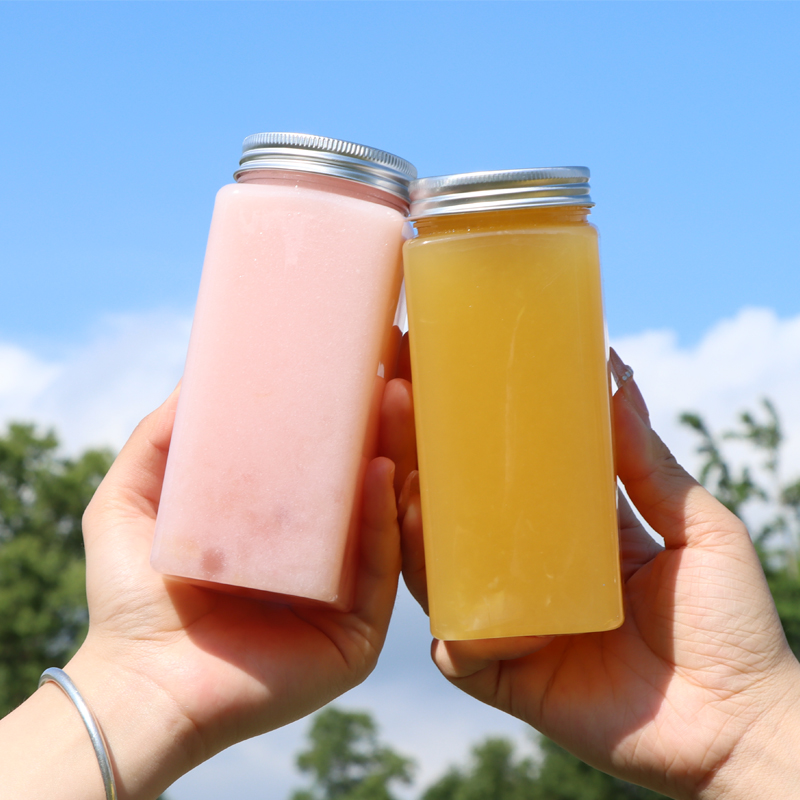
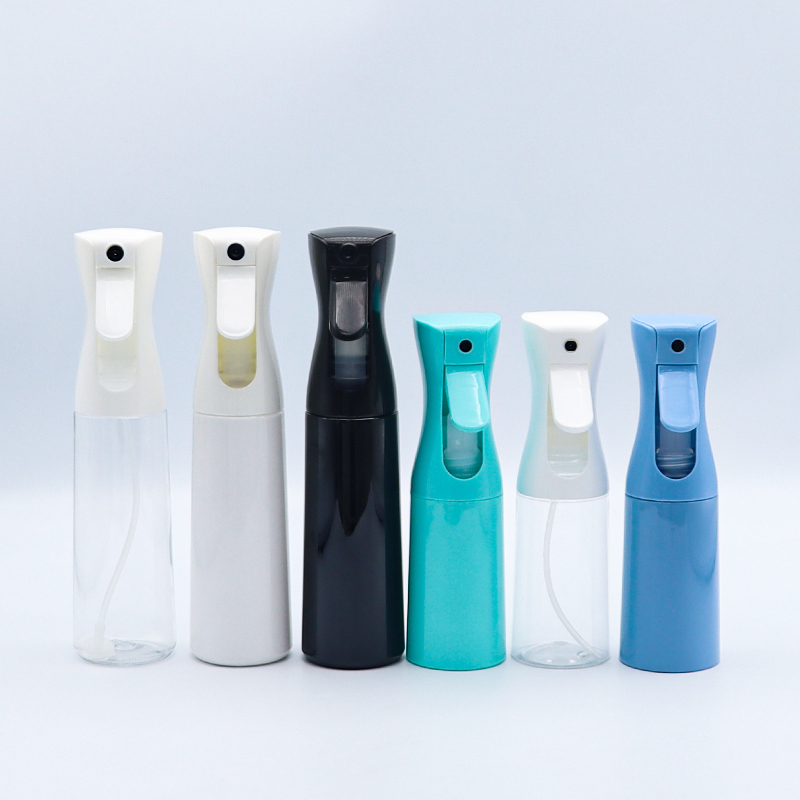
PET သည် အလှကုန်ပစ္စည်းများအတွက် ထုပ်ပိုးမှုပစ္စည်းအဖြစ် ရွေးချယ်မှုရှိရခြင်း၏ အကြောင်းရင်းမှာ ၎င်း၏ လိုဂိုပုံစံကို စျေးနှုန်းချိုသာစွာဖြင့် ထင်ရှားစွာ ထိန်းသိမ်းနိုင်ခြင်းဖြစ်သည်။ ပစ္စည်း၏ ပြောင်းပြီးမြင်နိုင်သော ဂုဏ်သတ္တိများကြောင့် ဒီဇိုင်း၏ အရောင်များကို ထင်ရှားစွာ ပြသနိုင်ပြီး ဂရပ်ဖစ်ဒီဇိုင်း၏ အထင်ရှားဆုံးအဆင့်ကို မှီတင်းနေစေရန် မလိုအပ်ပါ။ PET သည် စကရင်ပရင့် (screen printing) နှင့် ပူနွေးသော တံဆိပ်နှိပ်ခြင်း (hot stamp printing) ကဲ့သို့ လူကြိုက်များပြီး ယုံကြည်စိတ်ချရသော ပရင့်ထုတ်နည်းလမ်းများနှင့်လည်း ကိုက်ညီပါသည်။ ရလဒ်များမှာ အကြိမ်တိုင်း ရှင်းလင်းပါသည်။ PET သည် စျေးနှုန်းပိုမိုသက်သာပါသည်။ အမှာစာအရွယ်အစားကို မကြာခဏ မေးမြန်းစေဘဲ ထုတ်လုပ်မှုနှင့် ပို့ဆောင်မှုစရိတ်များကို လျှော့ချပေးသော ပေါ့ပါးသည့် ပလပ်စတစ်ပစ္စည်းဖြစ်ပြီး အနည်းငယ်သော အမှာစာအရွယ်အစားများတွင် အထူးသဖြင့် အကျိုးကျေးဇူးရှိပါသည်။ သင်သည် အရည်အသွေးမြင့် ထုတ်ကုန်ကို ရရှိနေပါကြောင်း သေချာပါစေ၊ PET သည် အစားအသောက်အတွက် သင့်တော်သော အဆင့်ဖြစ်ပါသည်။ ခရီးသွားပုလင်းများ၊ ဖျော်ရည်ပုလင်းများနှင့် စပရေးပုလင်းများ အပါအဝင် စျေးနှုန်းပိုမိုသက်သာသော ထုတ်ကုန်များတွင်ပါ လိုဂိုပုံစံကို ထင်ရှားစွာ ထိန်းသိမ်းနိုင်ပါသည်။
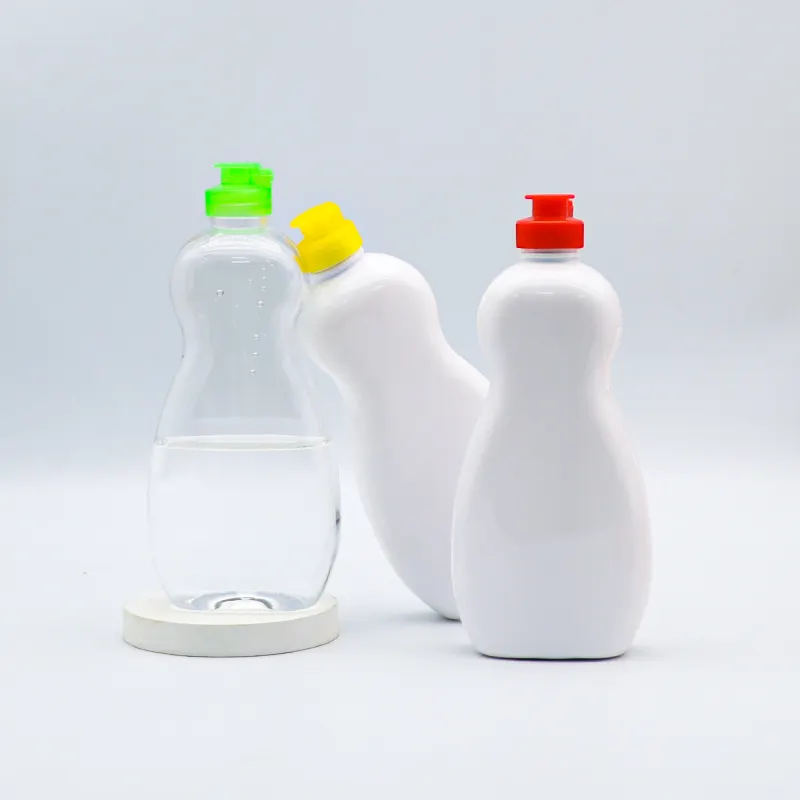
လိမ်းဆီဗူးများ၊ ခရင်မ်အိုးများ သို့မဟုတ် ခရီးသွားပစ္စည်းသိုလှောင်ကွန်တိန်နာများကဲ့သို့ ပုံမှန်အသုံးပြုသည့် ပစ္စည်းများကို သင့်ကော်စမက်တစ်ထုတ်ကုန်လိုင်းတွင် ပါဝင်ပါက PP ကို စဉ်းစားသင့်ပါသည်။ ၎င်းသည် အလွန်ခိုင်မာပြီး ပွန်းပဲ့ခြင်းမှ ခံနိုင်ရည်ရှိသောကြောင့် သင့်လိုဂိုသည် ကိုင်တွယ်ရာတွင် လွယ်လွယ်နှင့် မှိန်ဝါးခြင်း၊ ခြစ်ရာများပေါ်ခြင်း သို့မဟုတ် အလွှာခွာခြင်းများ မဖြစ်ပေါ်စေပါ။ PP သည် လိုဂိုပုံနှိပ်ခြင်းနှင့် အဆင်ပြုခြင်းတို့အတွက်လည်း အလွန်ပင် ကျယ်ပြန့်စွာ အသုံးပြုနိုင်ပါသည်။ မက်တီဖြစ်စေ၊ တောက်ပြောင်ဖြစ်စေ မည်သည့်အရောင်၊ မည်သည့်အမျက်အမျိုးအစားကိုမဆို အလွယ်တကူ ပုံနှိပ်နိုင်ပါသည်။ PP သည် အလွန်ပေါ့ပါးပြီး ခိုင်မာကာ ပုံသွင်းရလွယ်ကူပြီး စျေးနှုန်းလည်း အလွန်သက်သာသောကြောင့် စျေးကွက်တန်ဖိုးကို မများပြားစေဘဲ မည်သည့်အမှတ်တံဆိပ် သို့မဟုတ် လိုဂိုအတွက်မဆို အကောင်းဆုံးကိုက်ညီပါသည်။ ထုတ်ကုန်ဒီဇိုင်းတွင်လည်း ဖန်တီးမှုအပြည့်ဖြင့် လုပ်ဆောင်နိုင်ပြီး လိုဂိုကို အလွန်သာ ထင်ရှားစွာ ထားနိုင်ပါသည်။ PP ပလပ်စတစ်ဖြင့် အမှတ်တံဆိပ်တန်ဖိုးသည် အလွန်မြင့်မားပါသည်။
သင်သည် serum သို့မဟုတ် ခရင်မ်ကဲ့သို့သော အဆင့်မြင့် အလှကုန်ပစ္စည်းများ ရောင်းချပါက ဖန်ပုလင်းများတွင် သင့်ဘရန်ဒ်ကို ပြသခြင်းဖြင့် အရည်အသွေးကို ဖော်ပြနိုင်ပါသည်။ Borosilicate ဖန်သည် အခြားဖန်အမျိုးအစားများထက် အရည်အသွေးပိုမိုကောင်းမွန်ပါသည်။ ၎င်းသည် အပူခံနိုင်ပြီး ကွဲအက်ခြင်းမှ ကာကွယ်နိုင်ကာ မျက်နှာပြင်ချောမွေ့သောကြောင့် ပုံနှိပ်ထားသည့် လိုဂိုများကို ပိုမိုခမ်းနားစေပါသည်။ Screen printing၊ hot stamping သို့မဟုတ် laser engraving တို့ဖြင့် လိုဂိုများကို ပုံနှိပ်ပါက အဆင့်မြင့်ပစ္စည်းများကို ဝယ်ယူသူများအတွက် ပိုမိုခိုင်မာပြီး ခမ်းနားသော အသွင်အပြင်ကို ဖန်တီးပေးပါသည်။ ဖန်ပုံးသည် ပလပ်စတစ်ထက် ဈေးပိုကြီးသော်လည်း ဘရန်ဒ်၏တန်ဖိုးကို မြှင့်တင်ပေးပြီး ဈေးကွက်တွင် ထိုကုန်ကျစရိတ်ကို ထောက်ခံနိုင်ပါသည်။ ထို့အပြင် ဖန်ပုံးများကို ပြန်လည်အသုံးပြုနိုင်ခြင်းနှင့် သဘာဝပတ်ဝန်းကျင်ကို ဂရုစိုက်သော စားသုံးသူများကို ဆွဲဆောင်နိုင်သည့် ရေရှည်တည်တံ့သော ဘရန်ဒ်ဖြစ်ခြင်းတို့နှင့်လည်း ကိုက်ညီပါသည်။ မေးခွန်းမရှိဘဲ လိုဂိုပုံနှိပ်ထားသော ဖန်ပုံးများသည် ဘရန်ဒ်၏ အရည်အသွေးကို မြှင့်တင်ပေးပါသည်။
PP နှင့် PET တို့ကဲ့သို့ မဟုတ်ဘဲ PS နှင့် PVC တို့သည် ၎င်းတို့၏ ထူးခြားသော ဂုဏ်သတ္တိများကြောင့် ထင်ရှားပြီး ထုပ်ပိုးမှုအတွက် သီးသန့်နှစ်သက်မှုရှိသော အမှတ်တံဆိပ်များအတွက် အကောင်းဆုံးရွေးချယ်စရာဖြစ်သည်။ PS သည် စျေးနှုန်းချိုသာပြီး အလွန်ပြေပြစ်မှုရှိကာ ဖန်နှင့်တူသည်အထိ ပြေပြစ်မှုရှိသည်။ ထို့ကြောင့် စားပွဲတင်ပစ္စည်းများကဲ့သို့ ထုပ်ပိုးထားသော ပစ္စည်းများကို ဖောက်သည်များ အတွင်းပိုင်းကို မြင်နိုင်စေပြီး လိုဂိုကို ထင်ရှားစေလိုပါက အကြံပြုပါသည်။ PS ၏ ပြေပြစ်သော မျက်နှာပြင်ကြောင့် လိုဂိုကို အထင်ရှားဆုံးဖြစ်အောင် ထုတ်လုပ်နိုင်မည်ဖြစ်သည်။ ထို့ကြောင့် စျေးနှုန်းချိုသာမှုအတွက် အရည်အသွေးကို လျော့ချစရာမလိုပါ။ PVC သည်လည်း အလွန်ပျော့ပြီး ခိုင်မာကာ ပုံသဏ္ဍာန်များစွာကို ပုံဖော်နိုင်ပါသည်။ ထူးခြားသော ထုတ်ကုန်များကို ထုတ်လုပ်သည့် အမှတ်တံဆိပ်များက ထူးခြားပြီး ပျော့ပြောင်းသော ထုပ်ပိုးမှုများအတွက် ရွေးချယ်လေ့ရှိကြသည်။ စိတ်ကြိုက် ပုံနှိပ်မှုများအတွက်လည်း ကပ်ငြိမှုကောင်းမွန်ပြီး မျက်နှာပြင်ပေါ်တွင် မက်လုံးများ သို့မဟုတ် ပြေပြစ်သော မျက်နှာပြင်များအောက်တွင် လိုဂိုများကို ထိန်းသိမ်းထားနိုင်ပြီး ကာလရှည်တည်တံ့စေပါသည်။ စျေးနှုန်းချိုသာစွာဖြင့် ပြေပြစ်မှု သို့မဟုတ် ပျော့ပြောင်းမှုကို လိုအပ်ပါက ဤပစ္စည်းများနှင့် လိုဂိုပုံနှိပ်မှု စျေးနှုန်းချိုသာမှုတို့ကို ရရှိနိုင်ပါသည်။
သင့်ဘရန်ဒ်၏လိုအပ်ချက်နှင့် ရည်မှန်းချက်များနှင့် ကိုက်ညီသော ပစ္စည်းများကို ရွေးချယ်ခြင်းသည် အကောင်းဆုံးဖြစ်ပါသည်။ ပထမဦးစွာ ကုန်ကျစရိတ်ထိန်းချုပ်မှုကို စဉ်းစားပါ။ အရည်အသွေးကို မဖျက်ဆီးဘဲ ကိုက်ညီသော ပစ္စည်းများကို ရှာဖွေခြင်းနှင့် အသေးစားအုပ်စုဖြင့် စမ်းသပ်ရန် အနည်းဆုံးအော်ဒါပမာဏ နည်းပါးခြင်းကို ထည့်သွင်းစဉ်းစားပါ။ ဒုတိယအနေဖြင့် သင့်လိုဂိုဒီဇိုင်းကို စဉ်းစားပါ။ တောက်ပသော လိုဂိုများသည် အဆင့်မြင့်ပုံစံကို ပေါ်လွင်စေပြီး ကြွေထည်နှင့် PS ပစ္စည်းများက ထိုပုံစံကို ဖန်တီးပေးနိုင်ပါသည်။ ရှုပ်ထွေးသော အသေးစိတ်ဒီဇိုင်းများနှင့် အရောင်တိုက်တိုက်သော ဒီဇိုင်းများအတွက် PET သို့မဟုတ် PP ကဲ့သို့သော ပစ္စည်းများကို အသုံးပြုရန် သင့်တော်ပါသည်။ တတိယအနေဖြင့် စည်းမျဉ်းစည်းကမ်းနှင့် ကိုက်ညီမှုကို လျစ်လျူရှု၍ မရပါ။ ဘေးကင်းရေးစံနှုန်းများ (အစားအစာအတန်း၊ ဆေးဝါးအတန်း) နှင့် ဒေသတွင်းစည်းမျဉ်းများနှင့် ကိုက်ညီမှုရှိခြင်းသည် သင့်အား နှောင့်နှေးမှုများ သို့မဟုတ် ပယ်ချခံရမှုများကို ရှောင်ရှားပေးနိုင်ပြီး ငွေကြေးဆုံးရှုံးမှုကို ကာကွယ်ပေးပါသည်။ နောက်ဆုံးတွင် သင့်ဘရန်ဒ်၏ နေရာချထားမှုကို စဉ်းစားပါ။ အဆင့်မြင့်ဘရန်ဒ်များသည် ပိုမိုခမ်းနားသော ပုံစံအတွက် ကြွေထည်ကို အသုံးပြုနိုင်ပြီး စျေးနှုန်းသက်သာသော ဘရန်ဒ်များအတွက်မူကား PET သို့မဟုတ် PP ကို အသုံးပြုခြင်းကို ဆက်လက်လုပ်ဆောင်နိုင်ပါသည်။ ဤအချက်များကို ဟန်ချက်ညီစွာ ထည့်သွင်းစဉ်းစားခြင်းဖြင့် သင့်လိုဂိုကို ထင်ရှားစေရုံသာမက သင့်စီးပွားရေးရည်မှန်းချက်များကို အောင်မြင်စေရန် ကူညီပေးမည့် ပစ္စည်းကို ရွေးချယ်နိုင်မည်ဖြစ်ပါသည်။
သင့်လိုဂိုကို ထင်ရှားစေရန် အကောင်းဆုံးပစ္စည်းများတောင် သင့်တော်သော ပရင့်ထုတ်လုပ်မှုနည်းပညာကို လိုအပ်ပါသည်။ မျက်နှာပြင်ပစ္စည်းများအတွက် ပရင့်ထုတ်လုပ်မှုနည်းပညာဖြစ်သော ဟော့စတမ်း (Hot stamping) နှင့် အလိုအလျောက် စခရင်ပရင့် (automated screen printing) တို့သည် အတည်ပြုထားသော နည်းပညာများဖြစ်ပါသည်။ ဟော့စတမ်းသည် လက်ရာမြင့် လိုဂိုများအတွက် ကောင်းမွန်ပြီး မက်တယ်လစ် (metallic) သို့မဟုတ် အိုးဂလောက်စီ (glossy) အဆင်းကို ပေးစွမ်းနိုင်ကာ အလွန်စွဲမက်ဖွယ်ကောင်းပါသည်။ ပမာဏများသော ထုတ်လုပ်မှုများအတွက် အလိုအလျောက်စခရင်ပရင့်သည် အရောင်နှင့် မျဉ်းများကို တသမတ်တည်း ထုတ်လုပ်ပေးနိုင်ပါသည်။ ထုတ်လုပ်မှုမှ ထုပ်ပိုးမှုအထိ ထိန်းချုပ်မှုကို တင်းကျပ်စွာ လုပ်ဆောင်ကာ စစ်ဆေးမှုများစွာ ပြုလုပ်ခြင်းဖြင့် လိုဂိုတစ်ခုချင်းစီသည် ကွက်ကွက်တတ်တတ် ဖြစ်စေပါသည်။ ဤသို့ပြုလုပ်ခြင်းဖြင့် လိုဂို၏ အနုပညာဆန်မှုကို မြှင့်တင်ပေးပြီး စားသုံးသူများအား ကြာရှည်ခံပြီး အရည်အသွေးမြင့်ပစ္စည်းများကို မြင်တွေ့ရခြင်းဖြင့် ယုံကြည်မှုကို တည်ဆောက်ပေးပါသည်။ ဤနည်းပညာများသည် သင့်တော်သော ပစ္စည်းများနှင့် တွဲဖက်ပါက သင့်လိုဂိုသည် စားပွဲပေါ်တွင်ဖြစ်စေ၊ စားသုံးသူ၏ အိတ်ထဲတွင်ဖြစ်စေ မည်သည့်နေရာတွင်မဆို ထင်ရှားနေစေမည်ဖြစ်ပါသည်။
နောက်ဆုံးတွင် အလှကုန်ပစ္စည်းများ၏ ထုပ်ပိုးမှုပေါ်တွင် သင့်လိုဂိုအတွက် အကောင်းဆုံးပစ္စည်းသည် အရည်အသွေး၊ လိုဂိုအမှတ်အသားကို ရှင်းလင်းစွာမြင်ရခြင်းနှင့် ကုန်ကျစရိတ် ထိရောက်မှုဟူသော အချက်သုံးချက်ကို ဖြည့်ဆည်းပေးသည့် ပစ္စည်းဖြစ်ပါသည်။ အများစုအတွက် ဈေးနှုန်းချိုသာပြီး ခိုင်မာမှုရှိသည့် ပစ္စည်းများကို ပေါင်းစပ်အသုံးပြုခြင်းသည် အကောင်းဆုံးရွေးချယ်မှုဖြစ်ပြီး PET နှင့် PP ပစ္စည်းများက ထိုကဲ့သို့ ပေးစွမ်းနိုင်ပါသည်။ ထုပ်ပိုးမှုသည် ဇိမ်ခံပစ္စည်းအဖြစ် ထင်ဟပ်ပြီး အဆင့်အတန်းကို ဖော်ညွှန်းလိုသည့် အဆင့်မြင့် ဘရန်းများအတွက် ကြွေပစ္စည်းသည် ကောင်းမွန်သော ရွေးချယ်မှုဖြစ်ပါသည်။ ပြတ်သားမှု (သို့) ပျော့ပျောင်းမှုကို လိုအပ်သည့် ဘရန်းများအတွက် PS နှင့် PVC သည် ကောင်းမွန်သော အစားထိုးရွေးချယ်မှုဖြစ်နိုင်ပါသည်။ သင့်လိုဂိုဒီဇိုင်း၊ ဘရန်းအနေအထား၊ ဘတ်ဂျက်နှင့် သက်ဆိုင်ရာစည်းမျဉ်းများနှင့် ကိုက်ညီသည့် ပစ္စည်းကို ရှာဖွေတွေ့ရှိပါက သင့်လိုဂိုသည် ထုပ်ပိုးမှုပေါ်တွင် ပိုမိုကောင်းမွန်စွာ ပေါ်လွင်ပြီး ကုန်ပစ္စည်းရောင်းချမှုကို အားပေးပါလိမ့်မည်။ အရည်အသွေးမြင့် ထုပ်ပိုးမှုပေါ်တွင် ကောင်းမွန်သော လိုဂိုသည် စီးပွားရေးနှင့် စျေးကွက်ရှာဖွေရေး အကျိုးကျေးဇူးတစ်ခုဖြစ်သည်ကို သတိပြုပါ။ ရင်းနှီးမြှုပ်နှံမှုအတွက် ဆုံးဖြတ်ပါ။ သင့်လိုဂိုသည် ပိုမိုသေချာစွာ မြင်သာမည်ဖြစ်ပြီး ပို၍အရေးကြီးသည်မှာ သင့်ဘရန်းကို လူသိများလာမည်ဖြစ်သည်။ ဤအရာမျိုးသည် ရည်မှန်းချက်ပင်ဖြစ်ပါသည်။
 EN
EN