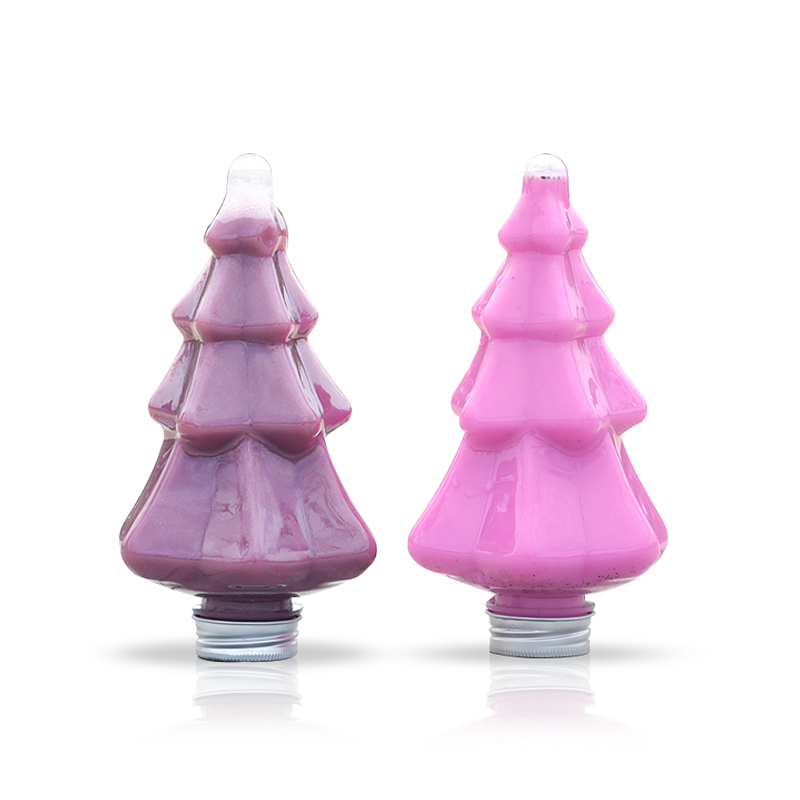
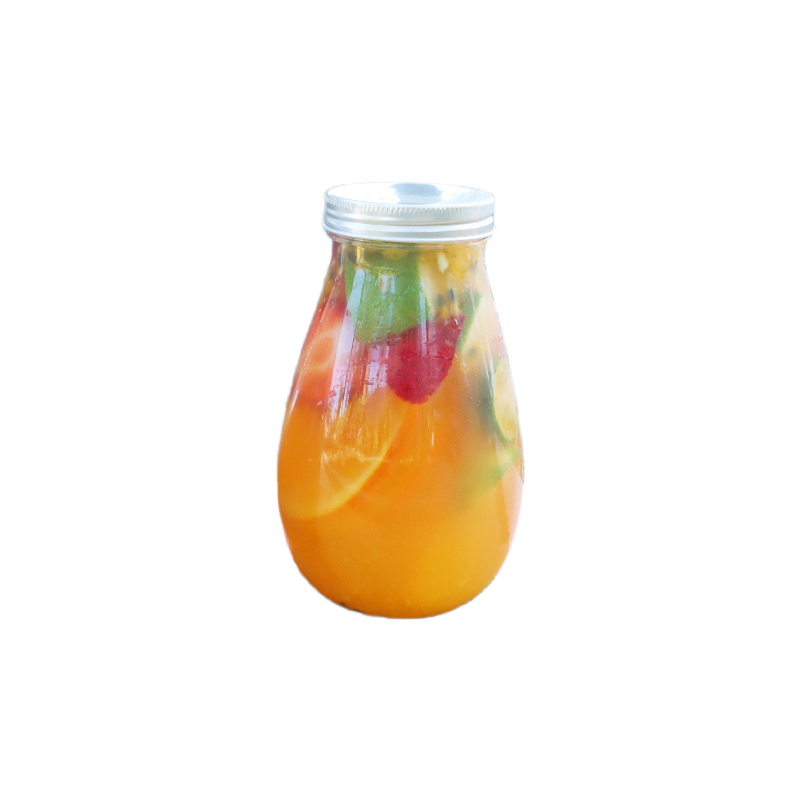
Wholesale buyers of products in the food, beverage, cosmetics, and pharmaceuticals industries will need to test pre-samples to identify the most suitable PET plastic bottle for their needs, with suppliers offering free sampling as a risk management tool at the bulk order stage. Without sample testing, buyers risk product non-compliance, a suboptimal user experience, and potentially significant financial losses. What follows will clarify the importance of testing PET bottle samples from various professional disciplines.
Sample testing is the first step to ensure PET bottless' international safety standards for food contact and packaging production. The authoritative standards GB 4806.7-2023 and QB/T 2665-2004 refer to migration of toxic substances, vertical pressure resistance, and sensory pet bottle indicators. Suppliers certified with SGS and ISO9001 are obliged to carry out tests on free samples, including the presence of heavy metals, plasticizers, and acetaldehyde, among others. Autonomous and untested PET beverage bottles, due to the industry’s case, acetaldehyde posed risks to the petrochemical industry which lead to severe and detrimental impacts to the brand due to a product that was withdrawn from circulation as a violation of the industry’s standards. The pharmaceutical industry is in strict adherence to safety standards and sample testing is the most unchallenging method of verification.
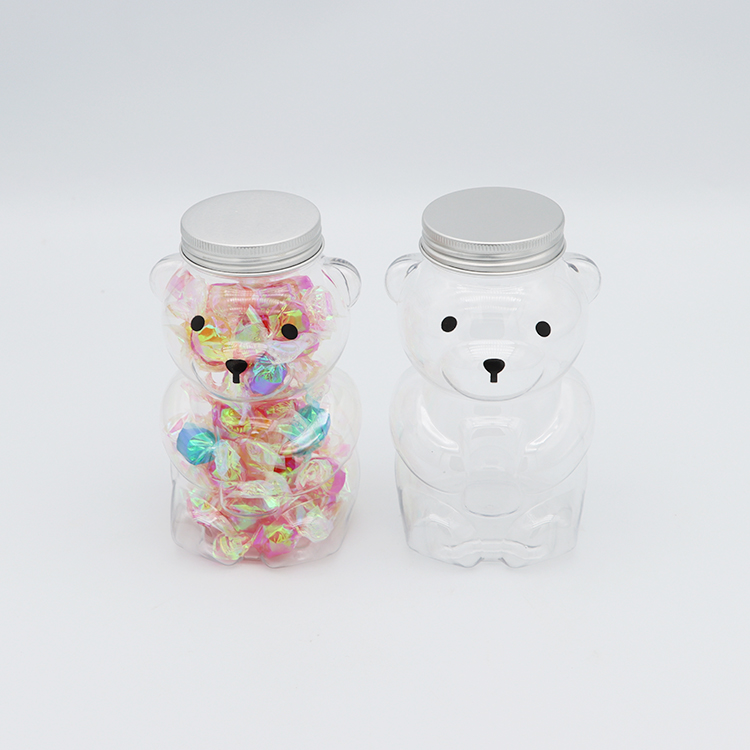
The usability of a PET bottle depends on its physical performance during transport, storage, and consumer use, and sample testing can help evaluate these key aspects. Professional testing involves the use of vertical pressure resistance, seal integrity, drop resistance, and barrier performance. QB/T 2665-2004 standards state that the vertical pressure resistance for empty PET bottles for hot filling should be a minimum of 200N, and for filled bottles, > 300N. In wholesale instances, some sample PET bottles that buyers tested showed poor sealing performance, and during transportation, this could lead to a serious liquid loss. Sample testing and timely replacement of suppliers can help prevent loss of large cargoes. Longtime suppliers will use new raw materials to manufacture the PET bottles, and sample testing can help demonstrate the integrity of the materials and that the manufacturing process was properly executed.
A number of applications have been adapted to PET bottles like hot filling of beverages, storage of cosmetics, packaging of pharmaceuticals, and sample testing can determine whether the products suit the intended use. For PET bottles of food grade quality that are used to package beverages like juice and milk tea, sample testing has to be done to see if the bottle deforms, or if any material is released that causes a strange odor, after subjecting the bottle to conditions of high temperature filling and normal temperature storage. For pharmaceutical PET bottles that have child-resistant caps, the sample is to be tested for the seal of the cap and the cap's ease of use. A cosmetic buyer tested a sample of a 60ml portable spray PET bottle and found that the spray nozzle easily became blocked. Following this, the supplier improved the product based on these test results before mass production, and this then improved the use purpose of the product. Sample testing processes play a critical role to ensure the manufactured product addresses the end user's intended needs.
The buyers can control the wholesale risks by sample testing. Without sample testing, the buyers cannot determine the quality of the product. If the product is of unqualified quality, buyers will incur costs from returning, and replacing, re-producing the product, and the product launch will be delayed. Many international buyers have expressed that the order process of sample-testing suppliers is more streamlined and that the quality of the bulk order is the same as the sample. A European beverage buyer, for example, saved almost 10,000 US dollars from testing the 300ml unqualified PET beverage bottle sample. Sample testing can also establish the suppliers' delivery times, and after-sales service, and is a critical factor in the buyer's decision-making process when selecting a supplier for a long-term partnership.
For wholesale purchasers with specialized requirements regarding LOGO printing, tailored shapes, and specific PET bottle size requests, sample testing becomes essential to ascertain the compatibility to their customized processing technology. Sample testing determines professional packagers' printing clarity, adhesion strength, and pattern printing and special shape production consistency. While testing samples, a buyer who customized star-shaped food-grade PET bottles noticed rough edges at the bottom of the bottle, prompting the supplier to make mold adjustments before final production. Sample testing effectively manages gaps between customized products and customer expectations and ensures the specific requirements of customers are adequately addressed.
Testing free PET bottle samples prior to purchasing them wholesale is the first step of many different processes involved in product safety compliance, physical performance factor reliability, scenario performance adaptability, commercial risk mitigation, and custom process fitting. Authoritative packaging suppliers with vast experience in the industry regard free sample testing as a basic service, which not only shows their confidence in their product quality, but also provides a reliable and professional basis of transparent collaboration for the buyer. International wholesale buyers are encouraged to utilize free sample testing services as part of the process of assessing quality suppliers, quality of their bulk purchasing, and quality of establishing a reliable and durable partnership. Sample testing offers buyers the opportunity of testing the supply partner's product quality, but the true value of sample testing is all about establishing an effective collaboration between buyers and suppliers.
 EN
EN