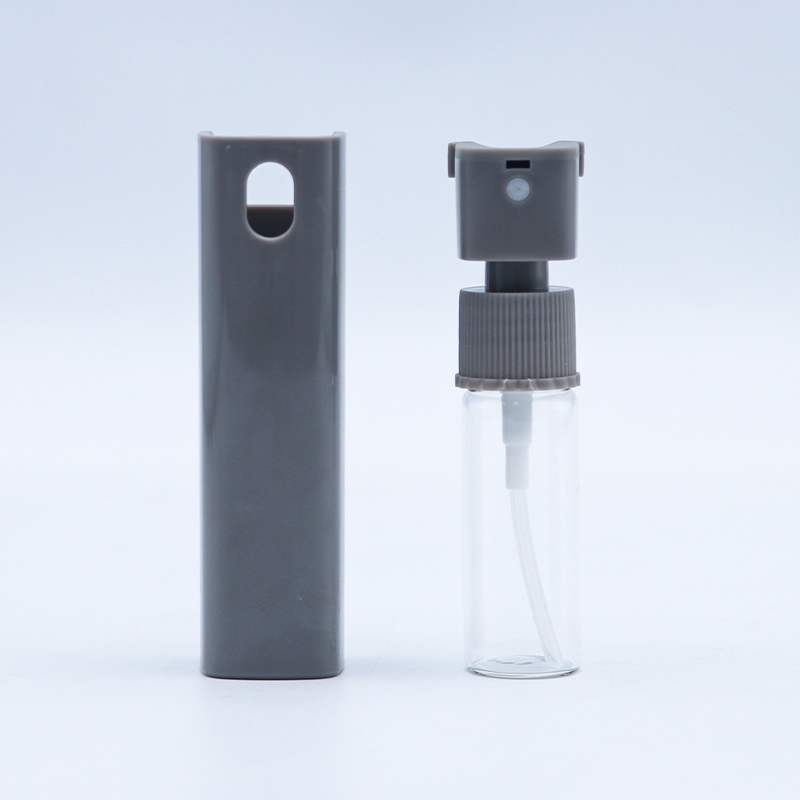
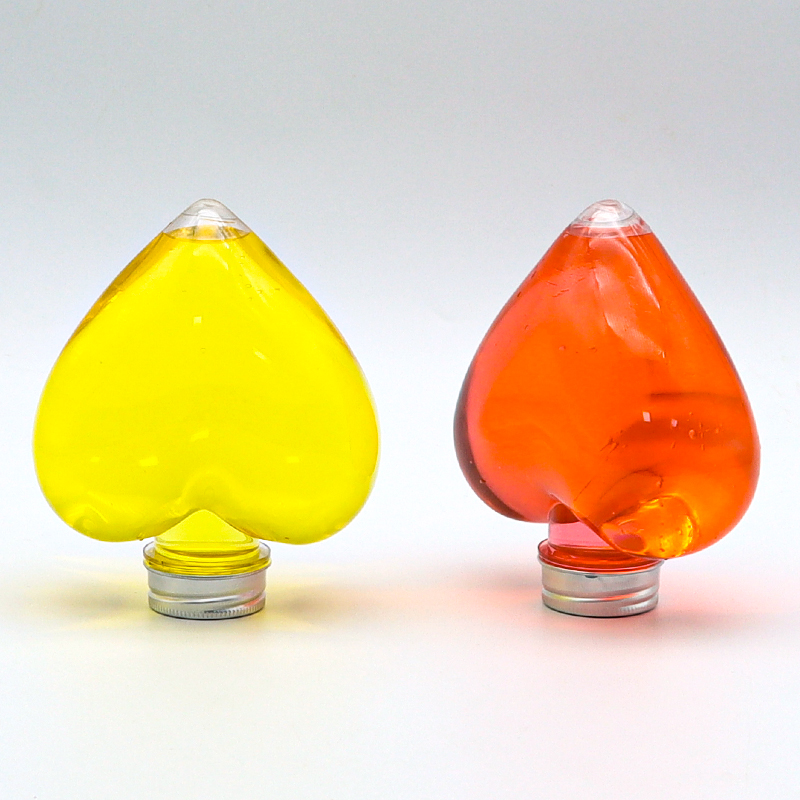
The sealing of plastic bottles is a crucial step in the manufacturing process, as it directly relates to the overall quality and safety of the product and the trust of the customer. The seal must be reliable to ensure the safe storage of drinks, cosmetics, medications, etc. to stop the product from leaking and to prevent spoilage and contamination. Improper sealing in the pharmaceutical industry is especially dangerous, as a drug's effectiveness can be changed due to contamination, which can harm the patient. In beverages, the seal can cause bad taste and safety issues due to loss of carbonation and bacterial growth. From a commercial point of view, seal problems cause a lot of customer complaints which damages the reputation of the brand. Good sealing methods are therefore very important from a commercial point of view.
Quality plastic bottle sealing is affected by a number of variables. To start, the type of plastic material is very important. Different materials such as PET, PE, PP, and PVC have different physical and chemical properties that can affect the sealing performance. PET is known for its high rigidity and barrier properties, and requires special sealing for preservation of quality. Second, bottle top and cap designs can greatly affect the performance as well. Cap and bottle components that are made to be the same can foster a better sealing fit. For example, a screw cap structure can be formed to fit a sealing thread better; a flip-top cap, hinge pressure, and gasket positioning can affect the sealing quality. Sealing process are also made under to environmental conditions, so extreme temperatures that contract glass can also be a problem for sealing polyethylene.
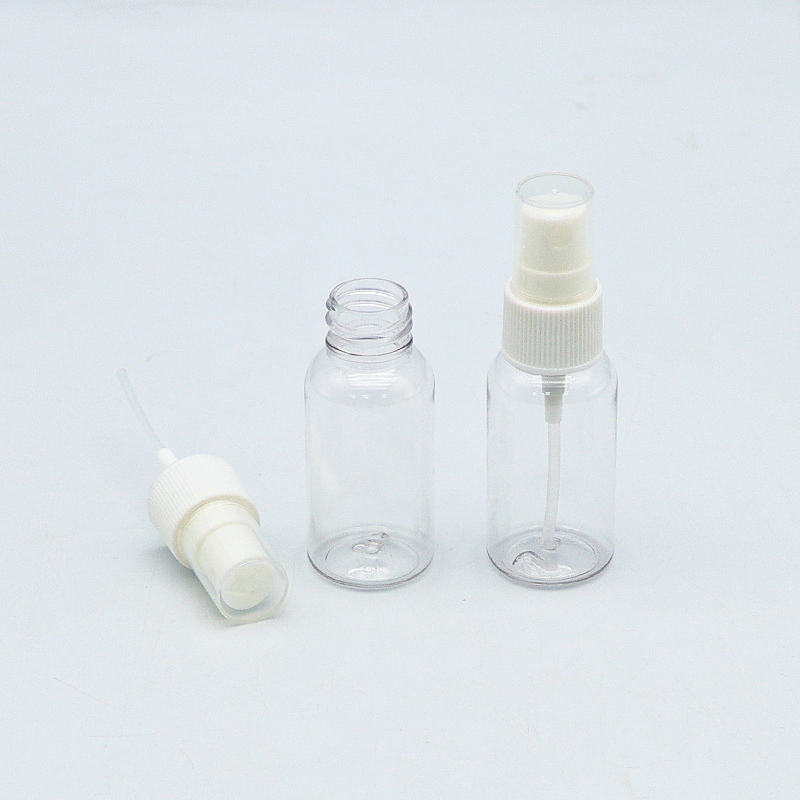
Plastic bottles are sealed using a method called thermal sealing. It is one of the most common. The plastics that make up the bottle (PE and PP) are heated so that the part of the bottle and the part of the cap that touch each other melt. After the two are allowed to cool and solidify, an airtight bond is created. This is very useful, especially for bottles that are filled with liquid. The seal is airtight and nothing can escape, but thermal sealing must be done at the right temperature and with the right pressure. If either is not done, the bottle will be damaged and the seal will be compromised.
Another method is screw-on sealing with gaskets. This is a very common technique used in the sealing of bottles in the pharmaceutical and cosmetic industries. There is a gasket made of food-safe silicone or foam inside the cap that the person sealing the bottle screws the cap onto the bottle, and the gasket is compressed. This is called a tight seal because the gasket fills in any small gaps in the seal created by the screw. This is especially useful for products that are meant to be accessed many times because the screw-on seal will be maintained over an extended period of time.
Induction sealing provides a high-quality seal for sensitive products like pharmaceuticals and vitamins. Seals can be created on plastic bottles by placing an aluminum foil liner on the mouth of the bottle. Using electromagnetic induction, the liner is heated so it can adhere to the mouth of the bottle. This provides a hermetic seal that is tamper-evident and keeps out oxygen, moisture, and contaminants.
To ensure the seal is functioning and the bottle is quality checked, a leak test can be performed. This test is done by submerging the bottle underwater and applying pressure to see if any leaks arise, indicated by the formation of bubbles. More advanced testing, called pressure decay testing, can check for leaks. This method traps air in the bottle and any pressure changes will indicate a broken seal.
Visual testing is an additional way to see if the product is sealed correctly. If the bottle is sealed correctly, there will be no gaps in the seal, no wrinkles, and no damage. This method is specially important for tamper-evident seals, because an intact and properly adhered seal means that no one has tampered with the product.
The commercial advantages can be felt right away when sealing methods are done correctly. Businesses will spend less on production because there will be little to no product waste from leaking or spoilage. Sealed products builds trust with customers as they will feel confident to make repeat purchases. This also improves customer loyalty along with brand image. Staying within sealing standards will help businesses avoid fines from regulatory bodies. This is especially helpful in the food packaging and pharmaceuticals industries as they are more heavily monitored. Correct sealing methods also improves the shelf life of products. This gives more flexibility and reach in the market as longer storage and transportation times can be afforded. The expansion of sales opportunities increases the competitiveness of the business on a global scale.
 EN
EN