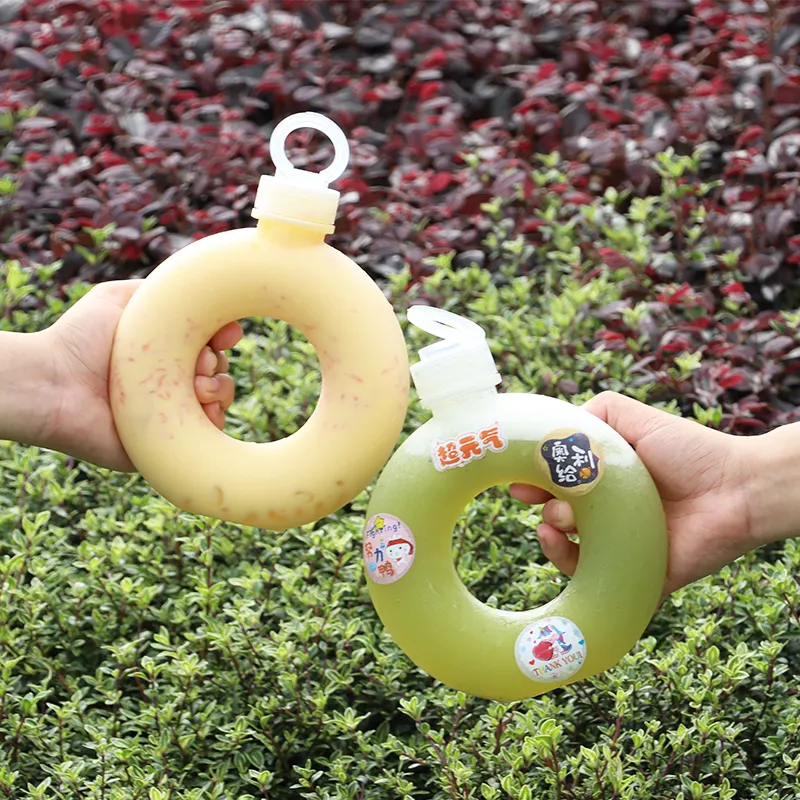
There are a variety of plastic materials used to make bottles. They all have different properties that can be useful and a great fit for different materials. The most common are PET, PE, PP, PS, and PVC. PET is the most popular choice for food and drinks because it is food grade, see through, very sturdy, and is non hazardous. It is the most popular material for pill and capsule containers for health standards. PE and PP are a great choice for flexible containers because they are both very chemically resistant. PVC is not the best choice for food materials, but it is fit for good vision and clear. Every material that is used comes with its own strengths and should be considered with your product.
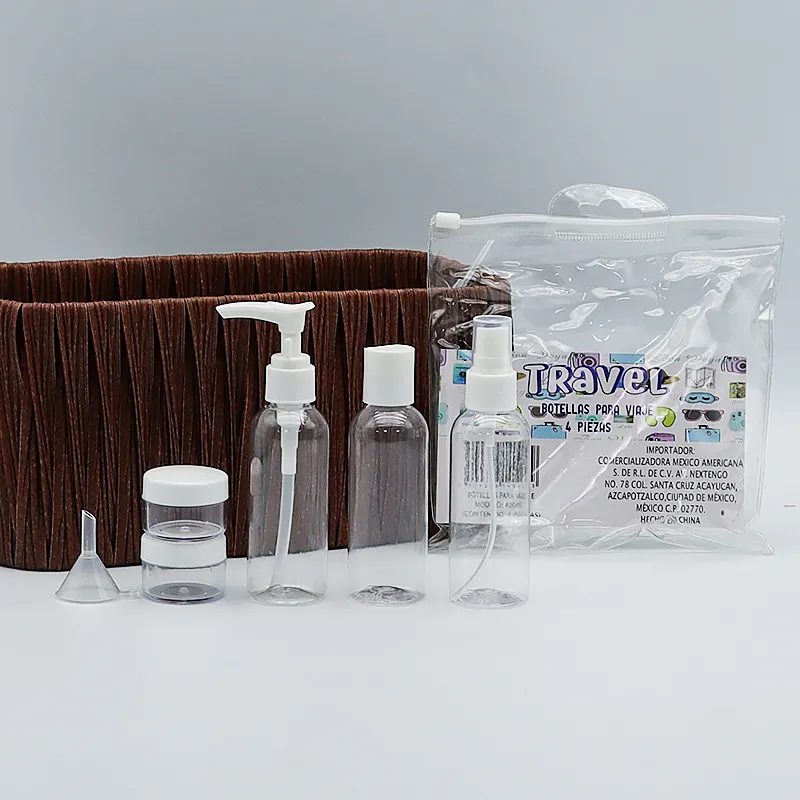
The kind of your product should determine the kind of plastic bottle that is best for you. For cosmetics, travel-sized spray bottles or portable perfume containers are ideal since they are good for transport. For Fitbit, we need bottles with child-proof caps for safety. Some beverage bottles come in fun shapes, like stars or hearts, to attract attention. If your product is a liquid, like juice, milk, tea, or oil, go for designs with caps that are leak-proof. An example is good quality olive oil dispensers that come with nozzles that are not easily clogged. Functionality is relationship of bottle designs and features with the use case of your product.
When it comes to quality of the plastic bottles we choose and the quality of the food, drugs, or cosmetics that are likely to come into contact with, the bottle quality is essential. Find suppliers that have widely accepted certifications, for example, ISO9001, quality management system, SGS, quality system, OHSAS18001, the occupational health and safety management system, and more. Quality is the result of these certifications. Quality comes as a result of adherence to a guided production process, use of virgin, (unprocessed) raw materials, and commitment to thorough quality checks, all the way from the production to the packaging of the product. A good supplier lowers the chance of every bottle containing defects and product quality safety issues.
Branding differentiation and personalization help to gain market attention. Customization services offered by suppliers include logo printing, customized, and uniquely shaped, tailored, and designed bottles. If you are looking for a very specific shape and color with particular volume requirements, make sure a supplier is supportive of very low minimum order quantity for customizations. Some suppliers accept customizations with minimum orders as low as 250 pieces. In addition, customer managers provide one on one attention and follow-up to ensure your customizations are done on time.
A satisfactory supply chain is one of the most important factors for the smooth operation of a business. In order to ensure the smooth operation of your business, you need to choose a supplier with a customized supply chain. Through real-time logistics tracking, customers can track their goods, and the global delivery time for most destinations is 7-15 days, ensuring that your goods will not be delayed. Suppliers who provide customs clearance support, commercial invoices, and packing lists can help reduce tariffs, lower your business risks, and minimize the paperwork required for importing goods. Some even provide comprehensive customs clearance services, simplifying your import process.
To prevent gaining fines or delays you need to comply with local customs and safety regulations. Make certain that your supplier understands and aligns with the regulations of your target market. They need to be able to provide you with professional customs clearance documents and help you navigate local policies. For example some food and drug packaging have to meet specific health guidelines while some cosmetic containers have to have labeling. A supplier with experience in the global market helps you avoid compliance issues and helps you import and sell your products without problems.
In conclusion the right plastic bottle for your needs comes down to determining the balance between the right material for the product, quality of the bottle, customizable options, agility of the supply chain, and compliance. Keeping these in mind will help you arrive at a product compliant, high-quality, reliable and safe for the customer.
 EN
EN