Snack lovers can agree that freshness is crucial. A crisp chip that turns stale is disappointing. A chewy that goes soggy is frustrating. A trail mix that is stale goes rancid. All disappointments can be the result of poor packaging. For a plastic container, a lid that forms an airtight seal is not just an optional feature. Let's explore the relationship between snack freshness and airtight packaging.
The greatest threats to the freshness of snacks are oxygen and moisture. When snacks are stored in a plastic container and left unsealed, oxygen enters the container and reacts with the snacks. This reaction causes the oils and fats of the snacks to oxidize, and this is the process that makes nuts, chips, and dried fruits lose their freshness, or develop a bad taste. Moisture also compromises the freshness of snacks by causing them to go moldy and ruining the intended crunch of the snacks. Airtight lids are able to seal containers and trap both oxygen and moisture, slowing down the harmful processes which spoil snacks. This is not a small improvement. This is the difference between a snack that will remain fresh for weeks, and one that will spoil in just a couple days.
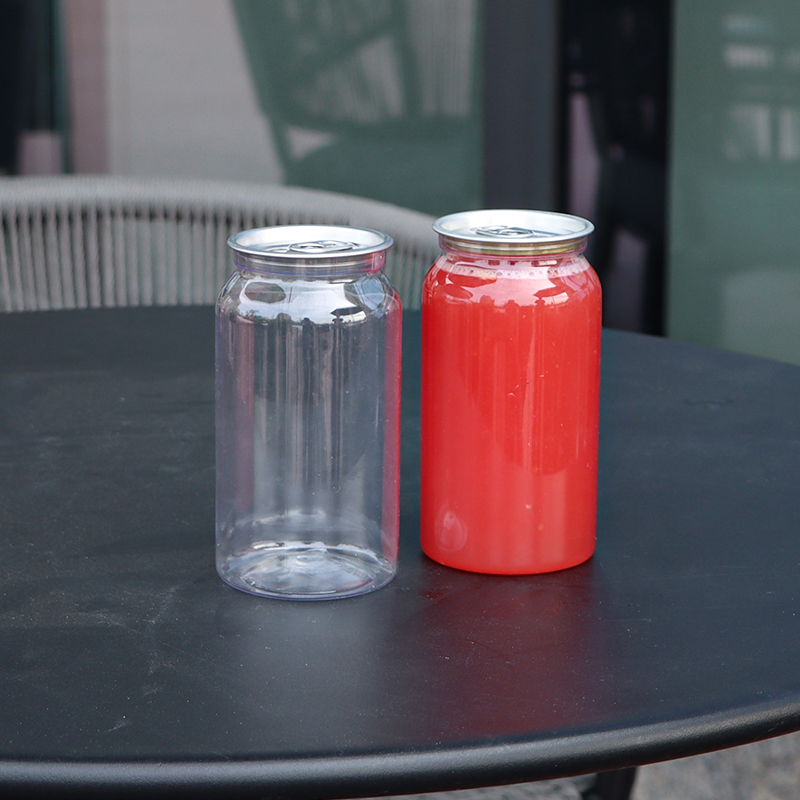
The airtight seal of a plastic container does not only depend on the design of the lid. The type of plastic used for the container also plays a vital role. Food-grade materials like PET, PE, and PP, which are common in high-quality packaging, can easily work together with airtight lids. Because of the non-porous nature of these materials, they do not absorb moisture and do not allow air to pass through easily. Food-grade plastics, unlike low-quality, can lose their seal after cracking or warping, and multiple times, during storage and transport. The selection of these materials makes snack packaging reliable and stand out from the rest.
Airtight lids of varying quality exist. The most reputable vendors and companies earn quality performance certifications. Certifications say lids meet safety and sealing standards, as well as the packaging’s durability standards. ISO 9001 manages the quality of each part of the production system, from raw materials to the production and sealing of the lids. SGS, on the other hand, examines the packaging to ensure it is leak-free and safe for contact with food. These performance and quality certifications mean lids do what they’re promises, and it provides peace of mind for companies and consumers.
Positive customer feedback is proof of effective airtight packaging. Brands using good quality plastic canisters with airtight lids receive praise from customers for howfresh their snacks with one buyer stateing, “ My order process was great, and product arrived great. My snacks stayed crispy for weeks, which is good for my busines.” Another commented, stating, “Nothing was damaged, and the packaging kept everything fresh.” These comments show customers that airtight fits are comfirmable.
From a brand’s perspective, there are business advantages to using airtight lids. For example, if less inventory gets spoiled, there are fewer losses, and more profits, as there’s less bad inventory to waste. Additionally, brands can push their distribution boundaries as snacks can be transported over unhealthy distances. Fresh snacks can, however, travel more than unhealthy distances, which increases the distribution range. Lastly, if products stay fresh longer, customers are more likely to buy the products again. In order to make a business worth the risk, setting standards to low min order quantities are a good strategy for small and medium brands. With a good business model, the balance of customer retention and savings is great, thus making a business model worth using to invest in aerosol lids.
When choosing plastic cans with airtight lids for your snacks, there are a few important things to think about. First, to guarantee safety as well as sealing, you need to ensure that the materials are food grades like PE, PET, or PP. The second thing to think about is quality certifications. Evaluations like the ISO 9001 and SGS are pretty standard and are good indicators of quality. For brands trying to stand out, functional customization like logo printing is a good option. The last thing to think about is logistics support. Prompt and safe delivery of packaging is important to ensure the packaging and the snacks inside are in good condition. Working with suppliers like these means you will get packaging that is as hard working as your brand.
It is safe to say that plastic cans are needed to ensure that the lids are airtight. This is because the freshness of the snacks is the main thing that drives consumer satisfaction and ultimately the success of a business. The use of quality materials coupled with the certification and the ability of the lids to block moisture and oxygen are some of the things that make a lid appear to be good. If you are a brand, either a small one trying to set things up or a big one trying to make changes to your packaging, there is a need to ensure that you make a good investment in lids that are reliable and airtight. This is a good investment that will result in much happier customers to go with your business and will also give a boost to your bottom line.

 EN
EN