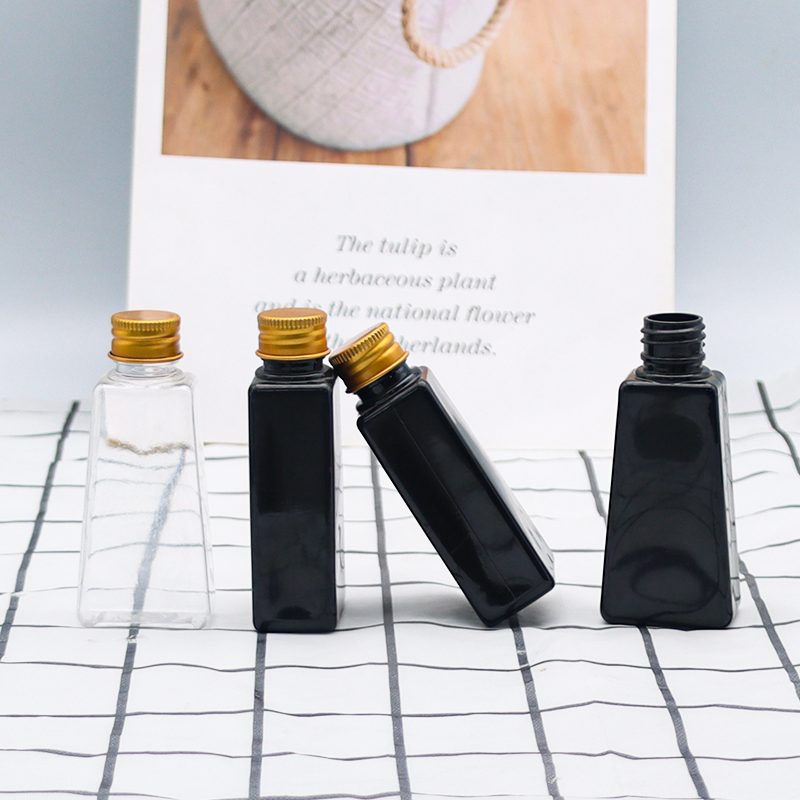
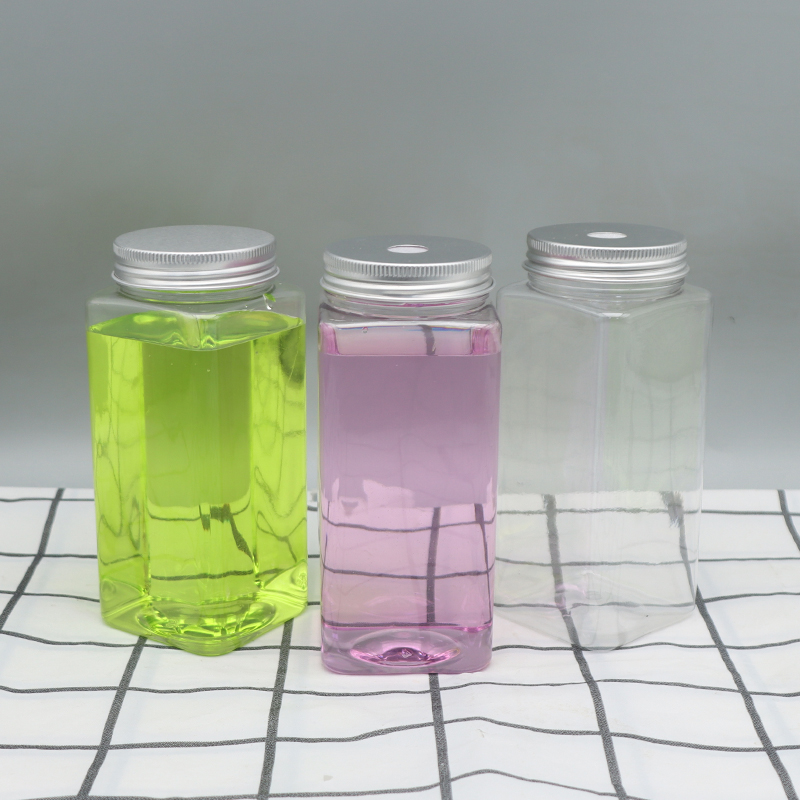
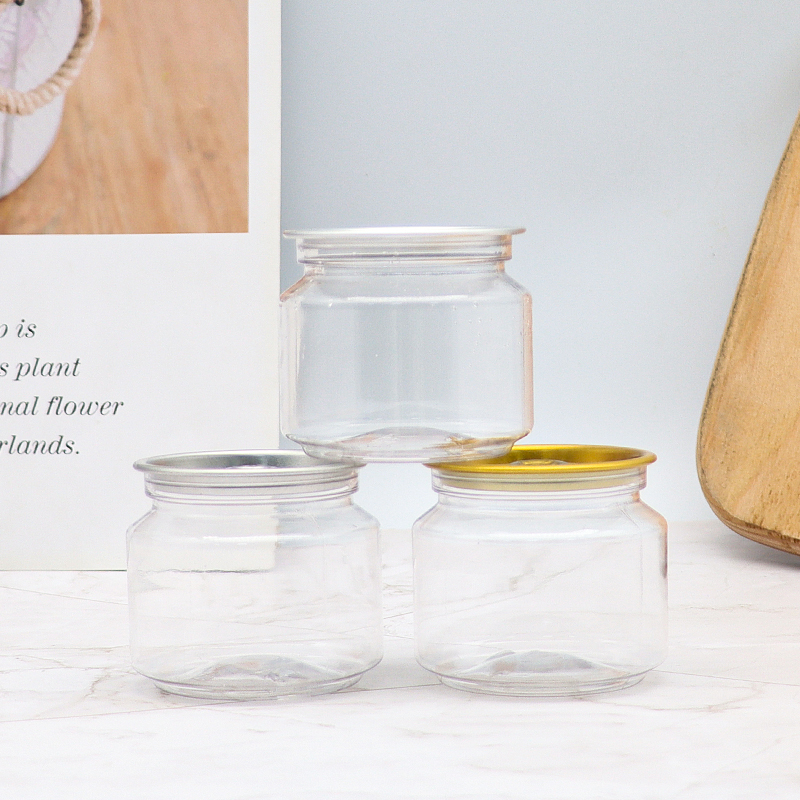
In order to effectively cut waste when refilling sprayers, pumps, and other systems, each packaging type requires a different filling method. For instance, when refilling a sprayer, a narrow container should be held over the nozzle and tilted slowly to fill it. This prevents the nozzle from splashing, which has been proven with decades of packaging design history. Also, when refilling a pump bottle, it is best to refill through the bottom of the pump head. That’s because pump bottles, unlike sprayers, leave some liquid behind when you finish pumping the bottle. Lastly, to fill a mini vial, it is best to construct a dropper tip to ensure the entire contents of the vial is transferred to the mini vial. This is critical for each different packaging design. Without aiming to align methods with packaging, it is impossible to pursue zero-waste refilling.
When putting together packaging, the materials involved play a major role in product waste, especially during the refilling process. In cosmetic refilling, materials like PET and PP are the most widely used, as they are easy to adapt for cosmetic refills. Directly refilling PET plastic bottles (typically used for liquid cosmetics and beverages) is possible because they are resistant to the vast majority of liquid skincare and makeup products, so there will be no reactions or residues. The PP material used in cream jars and sensor lid gravities is chemically stable, so it will not absorb cosmetic actives, resulting in no product loss due to material adhesion. With glass packaging for high-end cosmetics and oil dispensers, please note that sudden changes in temperature when refilling can cause the container to break, so glass containers that are used should be warmed in advance to room temperature to avoid such waste. Selecting refill products that are compatible with the packaging material will preserve the quality of the product and packaging and will minimize product loss during the refilling process.

The industry standards for hygienic refilling minimize the risk of product safety issues and operational waste stemming from the poor hygiene of refilling and the consequent deterioration of refilled products. Leading manufacturers of cosmetic packaging implement the requirements of the SGS and ISO9001 quality systems. These certifications are applicable to the refilling method of packaging. For instance, the packaging standards of a certain degree of cosmetics require containers to be cleaned and dried thoroughly. This means that any water or debris that may be present within the container, may be mixed with the product and cause the entire batch of refilled product to be spoiled and unuseable. Guidelines for the management of workplace health and safety, as well as occupational health and safety, require that all tools used for refilling be cleaned and disinfected to prevent, and cross-contamination that results in the waste of products that are burnt in unregulated refilling systems. Compliance with various industry standards makes the refilling process Nhygienic and, in turn, reduces waste.
Specialized tools help improve the accuracy of the refill and the right tools can greatly reduce the amount of product lost during the refill process. Narrow-spout funnels help refill large spray bottles and beverage-type cosmetics containers. Funnel guides direct the liquid into the center of the bottle and eliminate the splash where liquid can get on the bottle and on the tabletop. Liquid refills for small containers like 10 ml perfume bottles can be performed with the necessary precision using dropper and syringe-type tools (without a needle) in a way that no liquid is left in the tool used for transfer. Silicone scrapers are a great product for cream and paste cosmetics for reducing waste. Scrapers help get the last bit of product out of a container and into a refill container. These tools eliminate waste up to 90 percent. These tools only take a little bit of practice to master. Skill with these tools can make the refill process simple and efficient for everyone.
Combining Zero-Waste Practices with Sustainable Development Goals (SDG) demonstrates commercial value with the emerging model of cosmetic packaging that encourages the refilling of containers. By implementing a refilling model of packaging, cosmetic brands can save on the costs associated with single-use packaging. Smaller brands are easily able to do this because of a lower minimum order quantity (MOQ) from packaging suppliers. For consumers, the opportunity to refill a product at a lower cost than purchasing a new product is a green purchasing opportunity. Recent research shows that 86.6% of consumers are supportive of green purchasing opportunities and are willing to purchase refillable cosmetic packaging. Sustainable refilling practices increase brand perception and loyalty. Consumers are choosing brands that show commitment to sustainable practices and cost-saving practices. Integrating zero-waste refilling and sustainable practices will drive waste reduction and sustainable commercial growth to the cosmetic industry.